Over 60% of tourists visiting Italy never leave the Rome-Florence-Venice triangle. That means the real food — the €3.50 handmade pasta in a mountain village, the 18-year-aged pecorino from a family farm — stays largely unknown. And it costs half as much.
This guide is for travelers who want to eat well without spending like a tourist. Here is a step-by-step plan to build a food-focused road trip through Italy’s lesser-known regions (Le Marche, Molise, Basilicata, Umbria, Abruzzo, Trentino-Alto Adige) that fits a tight budget.
Step 1: Pick Your Region Based on What You Actually Want to Eat
Italy’s famous regions (Tuscany, Emilia-Romagna) have been priced up. The hidden regions still serve authentic food at local prices. Here is what each delivers:
| Region | Signature Dish | Avg. Cost per Meal (€) | Best For |
|---|---|---|---|
| Le Marche | Vincisgrassi (layered pasta with ragù) | €12–18 | Seafood + truffles |
| Molise | Pasta alla molisana (cavatelli with lamb ragù) | €8–14 | Sheep cheese, wild herbs |
| Basilicata | Peperoni cruschi (crispy dried peppers) | €10–15 | Spicy, rustic dishes |
| Umbria | Strangozzi with black truffle | €15–22 | Truffles, wild boar |
| Abruzzo | Arrosticini (sheep skewers) | €9–16 | Grilled meats, mountain cheeses |
| Trentino-Alto Adige | Canederli (bread dumplings) | €13–20 | Alpine flavors, apples, speck |
Verdict: If you want the lowest prices and least crowds, pick Molise or Basilicata. For a mix of coast and mountains, Le Marche wins. For truffle hunting, go Umbria.
Why most tourists skip these regions
No direct flights, fewer English menus, and less Instagram-bombed attractions. That is exactly why the food stays honest. A plate of pasta in Campobasso (Molise) costs €9 and is made by a 70-year-old nonna who learned from her mother. In Florence, the same meal runs €22 and comes from a central kitchen.
Step 2: Build a 7-Day Loop That Cuts Driving Time
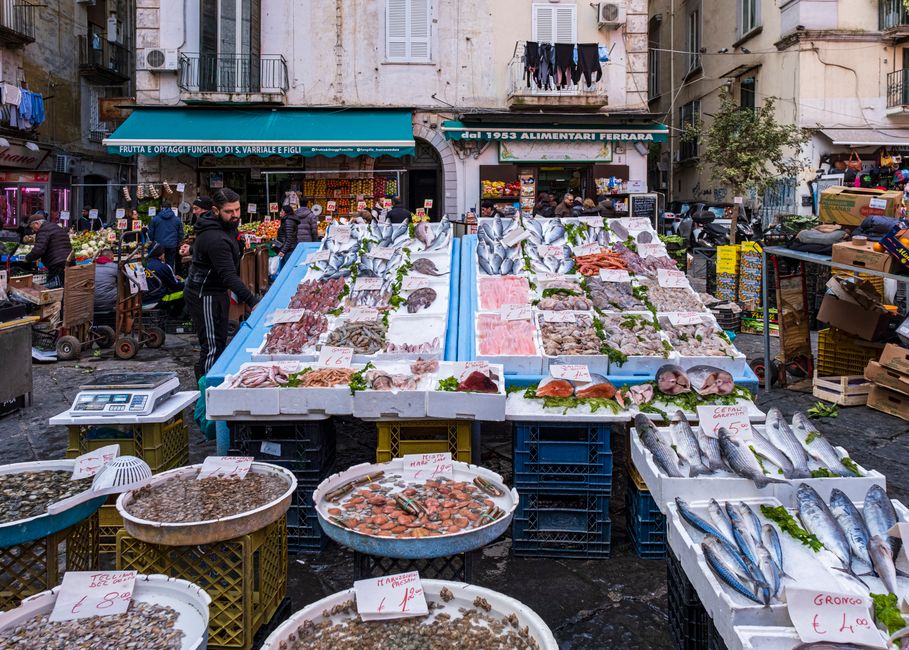
Italy’s back roads are slow. A 200 km drive through the Apennines takes 3+ hours. Plan loops under 500 km total to avoid spending your trip in the car.
Here is a sample 7-day loop through Abruzzo, Molise, and Le Marche:
- Day 1: Fly into Rome (FCO), drive 2h to L’Aquila (Abruzzo). Eat arrosticini at La Locanda del Parco. Sleep: €45/night agriturismo.
- Day 2: Drive 1h to Sulmona. Visit the confetti (sugar almond) factory. Lunch at Trattoria del Pesce. Sleep: €40 B&B.
- Day 3: Drive 1.5h to Campobasso (Molise). Eat cavatelli at Osteria del Borgo. Sleep: €35 farm stay.
- Day 4: Drive 1h to Termoli (coast). Fresh seafood at Ristorante Il Pescatore. Sleep: €50 seaside apartment.
- Day 5: Drive 2h to Macerata (Le Marche). Vincisgrassi at Osteria dei Fiori. Sleep: €40 countryside villa.
- Day 6: Drive 1.5h to Urbino. Truffle pasta at Antica Osteria. Sleep: €35 hostel.
- Day 7: Drive 3h back to Rome. Total driving: ~450 km.
Total accommodation cost: €285 per person (double occupancy). Compare that to €600+ for a week in Tuscany.
Step 3: Book Agriturismi and Farm Stays (Not Hotels)
An agriturismo is a working farm that rents rooms and serves dinner. This is the single biggest money-saver on a foodie road trip. You pay €35–55 per night for a room and get a 4-course dinner made from what they grow. The same meal in a restaurant would cost €25–35 per person.
How to find them
Use Agriturismo.it or Booking.com with the filter “agriturismo.” Look for properties with a restaurant rating of 8.5+ and “cena inclusa” (dinner included).
Mistake to avoid: Do not book a farm stay more than 2 weeks in advance. Many close on short notice during off-season (October–April). Call ahead to confirm.
Step 4: Eat Where Locals Eat — The €7 Lunch Rule
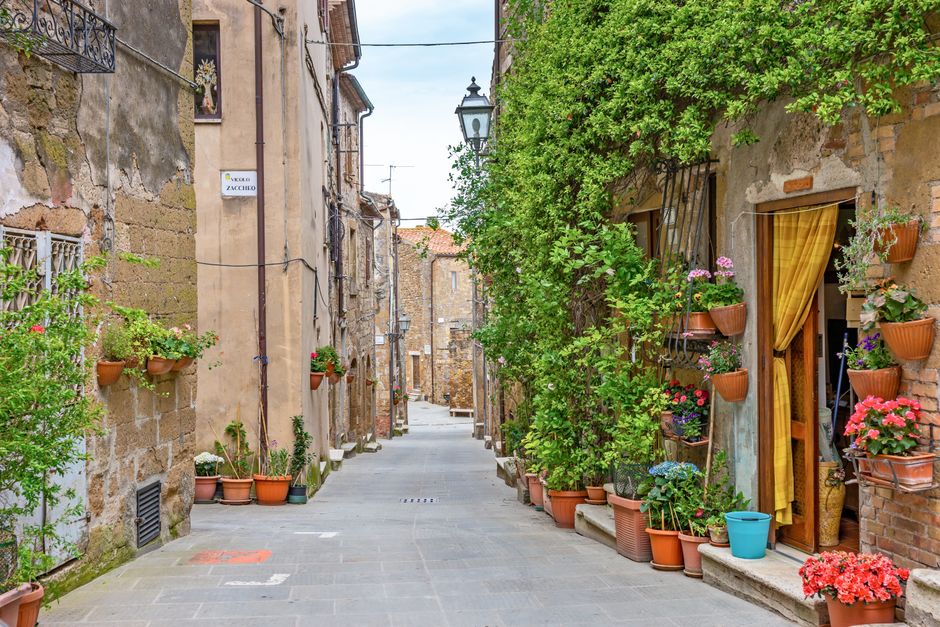
In these regions, the best food is not in a restaurant with tablecloths. It is in the forno (bakery), the salumeria (deli), and the mercato (market).
Rule: if the place has a menu in English and a waiter standing outside, skip it. Look for a handwritten chalkboard with prices under €10 for a primo (first course).
Where to find cheap, authentic meals
- Mercato Coperto di Macerata (Le Marche): €5 panini with porchetta. Open 8am–2pm.
- Antico Forno di Campobasso (Molise): €1.50 pizza bianca. Open 7am–8pm.
- Mercato di Matera (Basilicata): €3 peperoni cruschi and cheese plates. Saturdays only.
- Caseificio di Norcia (Umbria): €4 pecorino tasting. Open 9am–7pm.
Verdict: You can eat two meals a day for €15–20 total if you stick to markets and bakeries for lunch and an agriturismo dinner.
Step 5: Rent a Small Car — Avoid the SUV Trap
Italy’s hidden regions have narrow roads, tight parking, and ZTL (limited traffic zones). A Fiat 500 or similar small car costs €25–35 per day to rent. An SUV costs €60+ and will get stuck in a medieval village’s alley.
Fuel and toll costs
Italy’s fuel prices average €1.85/liter (2026). For a 500 km loop, expect to spend about €55–70 on fuel and €15–25 on tolls (mostly on the A14 autostrada).
Failure mode: Many rental companies block cars from crossing regional borders. Check the fine print. Sixt and Locauto generally allow cross-regional travel without extra fees. Europcar charges €10–20 per day for cross-border permits.
Step 6: Time Your Trip to Avoid Closed Kitchens
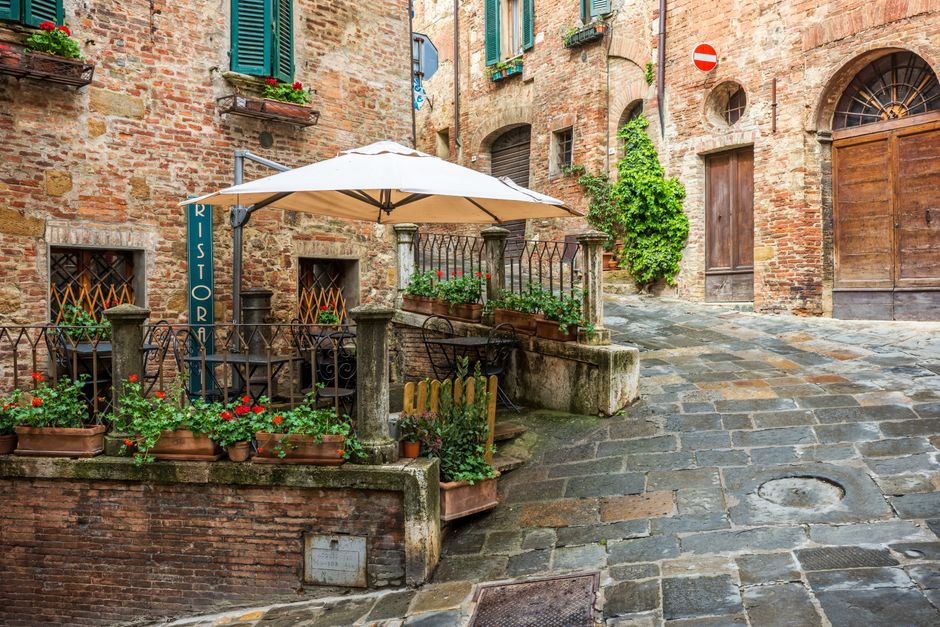
Italy’s restaurant schedule is brutal for unprepared travelers. Many kitchens close between 2:30pm and 7pm. Many close entirely on Monday or Tuesday.
The schedule you need to know
- Lunch: 12:30–2:30pm (last order at 2pm)
- Dinner: 7:30–10pm (last order at 9:30pm)
- Closed days: Monday (most common), Tuesday (some). Sunday dinner is often family-only at smaller places.
Mistake to avoid: Do not arrive in a small town at 4pm expecting to eat. You will end up at a gas station panino. Buy supplies at a COOP or Conad supermarket for emergency snacks.
Best time to go: Late May–early June or mid-September. Crowds are thin, weather is warm, and agriturismi are fully open. Avoid August — half of Italy is on holiday and prices spike.
That €9 plate of cavatelli in Campobasso? It tastes better when you know you paid a third of what a tourist in Rome would spend on a mediocre carbonara. Drive the back roads, eat the farm food, and book the agriturismo. Your wallet and your taste buds will thank you.