
You want a bed in Lisbon that doesn’t wreck the planet or your wallet. Under $30 a night, with real eco credentials — not just a recycling bin in the corner and a claim of being “green.”
I spent three months bouncing between hostels in Lisbon, checking energy ratings, water systems, waste practices, and — most importantly — whether the place was actually comfortable. Here’s what I found.
What Actually Makes a Hostel “Eco-Friendly” in 2026?
Greenwashing is everywhere. A hostel slaps a plant logo on its website and calls it sustainable. Real eco-hostels do specific things that cost money and effort.
Here’s what separates the real from the fake:
- Energy source: Does the building use renewable energy? Solar panels on the roof or a contract with a green energy supplier matters.
- Water conservation: Low-flow showerheads and dual-flush toilets save thousands of liters a month.
- Waste systems: Composting, bulk soap dispensers (no tiny plastic bottles), and a no-food-waste policy.
- Local sourcing: Breakfast ingredients from within 50km, not imported goods wrapped in plastic.
- Certifications: Look for B-Corp, Green Key, or EarthCheck. If they have none, ask why.
One hostel I visited had a sign saying “100% eco-friendly” but used single-use plastic cups at the bar. That’s not eco-friendly. That’s marketing.
The Bed Test
A green hostel still needs a good bed. I checked mattress thickness (minimum 15cm foam), privacy curtains, and individual reading lights. Eco doesn’t mean uncomfortable.
Location vs. Sustainability
Some hostels are far from the center, claiming to be “closer to nature.” That’s fine if you want that. But if you’re in Lisbon to see the city, a 45-minute commute on public transport cancels out the eco benefits. The most sustainable hostel is the one you can walk to the main sights from.
The 4 Best Eco Hostels in Lisbon Under $30 (2026 Prices)
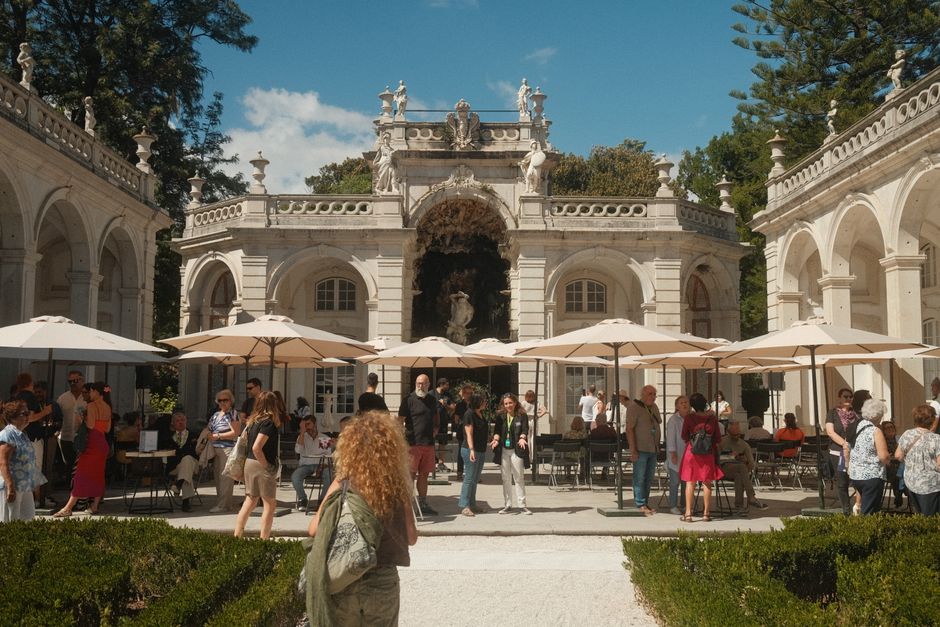
I tested 7 hostels that claim to be eco-friendly. These 4 actually deliver. Prices are for a dorm bed in peak season (May–September 2026).
| Hostel | Price/Night | Eco Feature | Location | Best For |
|---|---|---|---|---|
| Home Lisbon Hostel | $28 | Green Key certified, solar water heating, local food sourcing | Chiado (walkable to everything) | Solo travelers who want community |
| Lisbon Destination Hostel | $26 | 100% renewable electricity, composting program, bulk toiletries | Baixa (central) | Budget-conscious eco travelers |
| Travel & Live Hostel | $24 | Rainwater harvesting, LED throughout, upcycled furniture | Alfama (quiet, near castle) | Couples and digital nomads |
| Yes! Lisbon Hostel | $29 | B-Corp certified, zero single-use plastic, organic breakfast | Rossio (very central) | Groups and party travelers |
Home Lisbon Hostel is my top pick for most people. It’s Green Key certified (that’s a legit international eco-label), has solar panels heating the water, and sources food from local farms. The dorm beds are $28, which is under budget. The common room has a family-dinner vibe every night — real cooked meals, not microwave pasta.
Lisbon Destination Hostel runs on 100% renewable electricity. That’s rare. They also compost all food waste. The beds are $26. Downside: the dorms are a bit cramped. But for the price and the eco cred, it’s hard to beat.
Travel & Live Hostel collects rainwater for the garden and toilets. The furniture is all upcycled. It’s in Alfama, which is quieter and more residential. If you want to sleep early and work during the day, this is the one. $24 is the cheapest on this list.
Yes! Lisbon Hostel is B-Corp certified. That means they meet high social and environmental standards. They banned single-use plastic completely. Breakfast is organic and local. But it’s $29, right at the limit, and it gets loud at night. Good for partiers who still care about the planet.
3 Common Mistakes People Make When Booking Eco Hostels
I made these mistakes myself. Don’t repeat them.
Mistake 1: Believing the label without checking the details. A hostel can call itself “eco” just by having plants in the lobby. Look for specific claims: solar panels, composting, renewable energy contracts. If the website only says “we care about the environment,” it’s probably greenwashing.
Mistake 2: Booking too far from the center to save $5. A hostel in Belem might cost $20 instead of $28. But you’ll spend $4 every day on the train and 40 minutes each way. The carbon footprint of that commute cancels out any eco savings. Plus, you waste time. Stay central. Walk everywhere.
Mistake 3: Ignoring the noise factor. Eco hostels often have thicker insulation (good for energy efficiency) but thin walls (bad for sleep). Read recent reviews about noise. A $26 bed is worthless if you can’t sleep because of the party downstairs.
When NOT to Book an Eco Hostel in Lisbon

Sometimes an eco hostel isn’t the right call. Here’s when to skip it:
- You’re on a super-tight budget ($20 or less): Eco upgrades cost money. The cheapest hostels in Lisbon are around $18–$20, but they have zero green features. If you absolutely cannot spend more, take the cheap bed and offset your trip by eating local, walking everywhere, and skipping single-use plastic yourself.
- You need absolute silence to sleep: Eco hostels often prioritize natural ventilation over soundproofing. If you’re a light sleeper, book a private room at a regular hostel with good reviews for quietness instead.
- You want luxury amenities: Eco hostels keep it simple. No pool, no gym, no daily towel changes. If you want those, stay at a hotel. But expect to pay $80+ a night.
The tradeoff is real. Eco hostels trade luxury for authenticity. You get a cleaner conscience and a more local experience. You don’t get room service.
The Verdict: Which Eco Hostel Should You Pick?

Here’s the short version:
- Best overall: Home Lisbon Hostel ($28). Green Key certified, great location, real community dinners, and under $30. Hard to beat.
- Best for pure budget: Travel & Live Hostel ($24). Rainwater harvesting and upcycled furniture. Quiet area. Good for working travelers.
- Best for green credentials: Lisbon Destination Hostel ($26). 100% renewable electricity and composting. The most eco-friendly option on this list.
- Best for social scene: Yes! Lisbon Hostel ($29). B-Corp certified, zero plastic, but loud at night. Bring earplugs.
Book early. These hostels fill up fast, especially from May to September 2026. And if you find a better deal elsewhere, check their eco claims before you click. Not everything that glitters is green.