Most travelers think you need two weeks to “really see” Kyoto. That’s wrong. I spent 4 days there last November and hit all the major cultural sites without rushing. The trick is planning your route by district, not by “top 10 attractions.” Here’s exactly how to do it.
Day 1: Eastern Kyoto Temples and the Philosopher’s Path
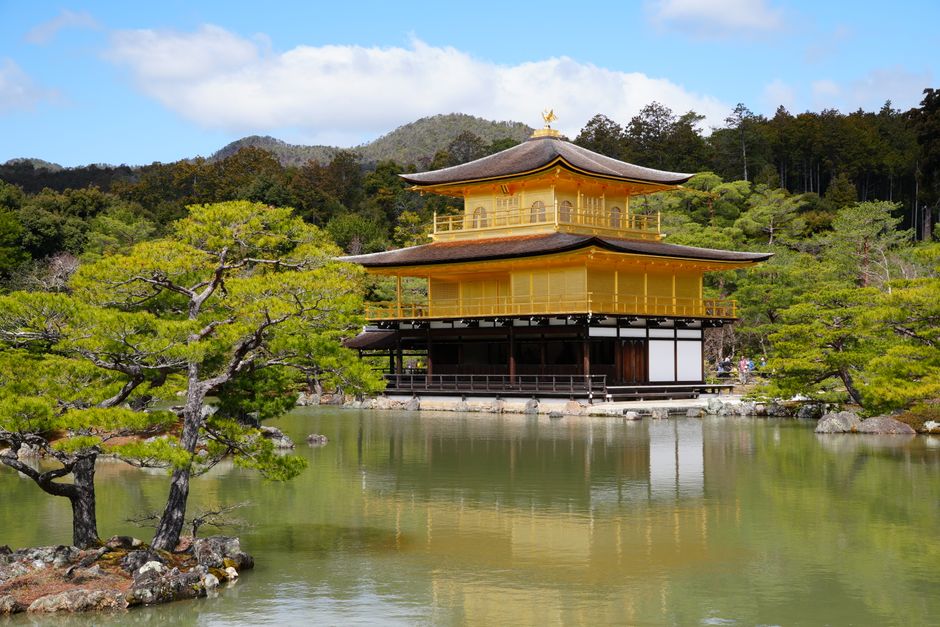
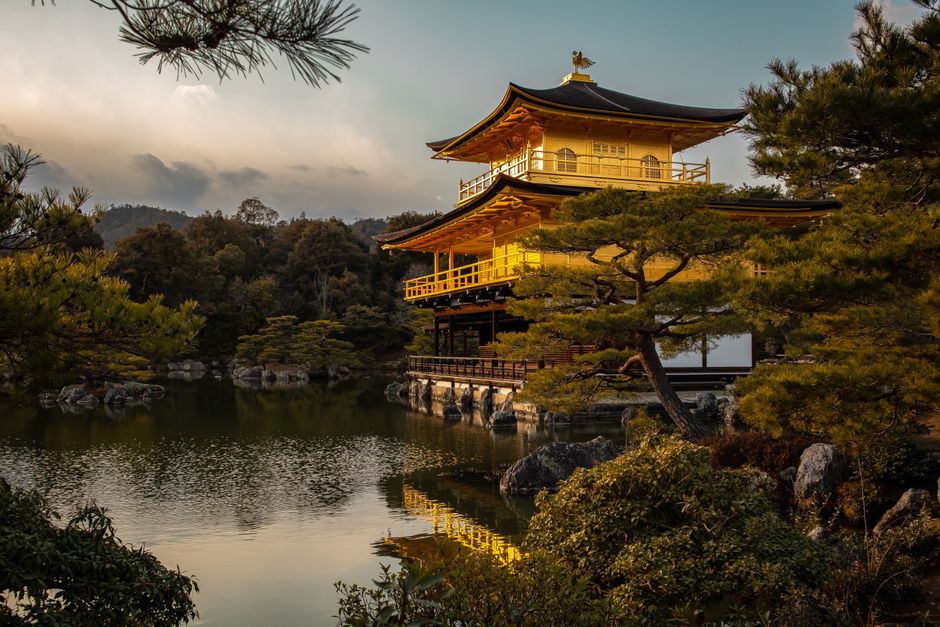
Start early. Kinkaku-ji (Golden Pavilion) opens at 9:00 AM. Get there by 8:45 to beat the tour buses. Entry costs ¥500 ($3.50). Spend 45 minutes max — it’s one temple and a garden, not an all-day thing.
Walk south to Ryoan-ji (¥500, another 20 minutes on foot). This Zen rock garden is the real deal. Sit on the veranda for 10 minutes. Don’t take photos the whole time. Just look.
Philosopher’s Path breakdown
From Ryoan-ji, take the city bus #102 to Ginkaku-ji (Silver Pavilion). The path is a 2km cherry-tree-lined canal walk. Takes about 30 minutes at a slow pace. Free. No entrance fee. Best part: Honen-in temple halfway along — tiny, quiet, no crowds. Free entry.
End at Nanzen-ji (free grounds, ¥600 for the subtemple). The aqueduct inside the complex is weird and wonderful. Roman arches in a Japanese temple. You’ll see it in 10 minutes.
Lunch tip: Skip the tourist restaurants near Nanzen-ji. Walk 5 minutes to Omen Kodai-ji for udon noodles. A bowl costs ¥1,200 ($8.50). Cash only.
Day 2: Arashiyama Bamboo Grove and Sagano Scenic Railway
The bamboo grove is packed by 9 AM. Go at 6:30 AM. Seriously. The sun rises around 6:15 in spring. You’ll have the path to yourself for about 30 minutes. Free entry.
Sagano Scenic Railway — worth it or not?
The train runs from Saga Torokko Station to Kameoka. 25 minutes one way. ¥880 ($6) per person. Open cars in spring and fall. The view over the Hozugawa River valley is stunning. Book tickets online 3 days ahead — they sell out. The website is in English. Easy.
From Kameoka, take the Hozugawa River boat ride back (¥4,100, 2 hours). Faster option: bus back for ¥400. The boat is the better choice if you have time. You’ll see herons, monkeys, and steep gorges.
Failure mode: Most tourists do bamboo grove → Tenryu-ji temple → lunch → leave. They miss the Okochi Sanso Villa (¥1,000, includes matcha tea). The garden here is better than Tenryu-ji. Fewer people. Real maple trees in fall.
Day 3: Fushimi Inari and Southern Kyoto
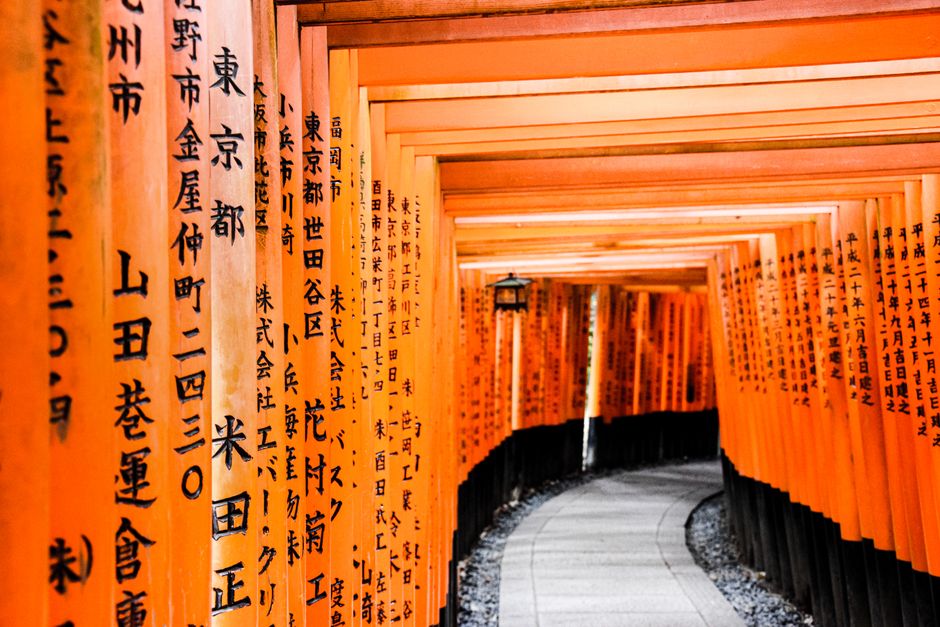
Fushimi Inari Taisha is open 24 hours. Go at 7 AM. The first kilometer of gates is shoulder-to-shoulder by 10 AM. Hike to the Yotsutsuji intersection (halfway point). Takes 45 minutes. The view over Kyoto is worth the sweat. Free entry.
From the shrine, walk 10 minutes to Tofuku-ji (¥400). The autumn colors here rival anywhere in Japan. The Tsutenkyo Bridge spans a valley of maples. Peak season (mid-November) means crowds, but the garden is big enough to absorb them.
Nishiki Market — the real food scene
Take the Keihan line to Shijo Station. Nishiki Market is a 5-block covered street. Go at 11 AM — stalls open at 10, but the lunch rush starts at 11:30. Try the following:
- Kyo Yasai — vegetable tempura. ¥300 per skewer.
- Kai — grilled scallops with butter. ¥500.
- Aritsugu — knives and kitchen tools. Watch them sharpen. Free.
Budget warning: Eating your way through Nishiki can cost ¥3,000+ if you’re not careful. Set a ¥1,500 limit and stick to it. The food is good but not life-changing.
Day 4: Gion Geisha District and Tea Ceremony
Gion is small. You can walk the main streets in 30 minutes. The real magic is the side alleys — Shirakawa Canal, Hanamikoji Street, and the tiny lanes off Shijo-dori. Go at 4 PM. The light is golden. Maiko (apprentice geisha) sometimes walk through on their way to appointments.
Tea ceremony — book the right one
Most tea ceremonies in Gion are tourist traps. ¥3,000 for 20 minutes of rushed explanation. The Maikoya Tea Ceremony (¥2,500, 50 minutes) is the exception. You make your own matcha. The host explains the history. Kimono rental is extra (¥3,000) but worth it for photos. Book online 2 days ahead.
Alternative: The Camellia Tea Ceremony (¥2,000, 30 minutes) near Kiyomizu-dera. Smaller groups. More authentic. No English script reading — the host actually talks to you.
Where to Stay and How to Get Around
Skip the expensive hotels near Kyoto Station. Stay in Higashiyama or Gion for walking access to temples. Budget options:
- K’s House Kyoto — hostel. Dorm beds from ¥2,500 ($18). Private rooms ¥6,000 ($43). Clean. Good common room.
- Piece Hostel Sanjo — ¥3,000 dorm. Central location near Nishiki Market.
- Mitsui Garden Hotel Kyoto Sanjo — business hotel. ¥8,000 double room. On-site bath.
Transport: The Kyoto City Bus One-Day Pass (¥600) covers almost everything. The subway is faster but doesn’t reach many temples. Walk when possible — Kyoto is flat and compact. I walked 15km per day and saw more than bus riders.
Budget Breakdown and Final Verdict
| Item | Cost (¥) | Cost ($) |
|---|---|---|
| Accommodation (4 nights, hostel dorm) | 10,000 | 70 |
| Temple entries (5 temples) | 2,500 | 18 |
| Sagano Railway | 880 | 6 |
| Tea ceremony | 2,500 | 18 |
| Food (¥1,500/day) | 6,000 | 42 |
| Local transport (bus pass + extras) | 2,000 | 14 |
| Total | 23,880 | $168 |
Verdict: This itinerary works for first-timers and return visitors. The tradeoff is pace — you’ll see a lot but won’t linger. If you prefer slow travel, drop one temple per day and add a cooking class (ABC Cooking Studio, ¥4,500 for 2 hours). For budget travelers, this is the most efficient way to see Kyoto’s cultural core without spending ¥50,000 on taxis and fancy meals.