Traveler’s diarrhea hits about 30–50% of visitors to India within the first two weeks. I’ve been there — doubled over in a Jaipur guesthouse bathroom, regretting that third paneer tikka. The good news? You can cut your risk by 80% with the right strategy. Here’s exactly what works.
Why India’s Bacteria Are Different — And Why Your Gut Isn’t Ready
Your stomach is used to the local bugs back home. India’s water and food contain strains of E. coli, Salmonella, and Campylobacter that your body has never seen. Even if the food looks clean, the bacteria load is higher.
The key insight: it’s not about avoiding all food. It’s about managing exposure. Your gut can handle small doses. The problem is when you get a big hit — like from tap water ice or a rinsed salad.
Think of it like a sunburn. A few minutes in the sun is fine. Two hours without sunscreen? You’re cooked.
The 4 Golden Rules of Eating Safely in India
Rule 1: Hot food is safe food
Anything cooked fresh and served steaming hot is your best bet. Bacteria die above 60°C (140°F). That means parathas off a tawa, dosas fresh from the griddle, and chai boiled in front of you are all low-risk.
Rule 2: Avoid raw vegetables and unpeeled fruit
Salads, cut fruit, and raw garnishes (coriander, onion) are washed in tap water. That water carries bacteria. Stick to fruit you peel yourself: bananas, oranges, mangoes, papayas. If you can’t peel it, don’t eat it.
Rule 3: Bottled water only — and check the seal
India has a problem with counterfeit bottled water. Scammers refill empty bottles with tap water and reseal them. Always check the plastic ring under the cap is intact. Brands like Bisleri and Kinley are widely trusted. Don’t accept a bottle that’s already open.
Rule 4: Skip the ice
Even in fancy restaurants, ice is often made from tap water. Ask for drinks without ice. If you’re at a street stall selling fresh juice, watch them cut the fruit — and insist on no ice.
Street Food: How to Eat It Without Getting Sick
Street food in India is incredible. The best vada pav in Mumbai, chole bhature in Delhi, pav bhaji on the streets of Pune — you should eat it. But do it smart.
Look for stalls with a high turnover. If a vendor is serving 50 people an hour, the food is fresh and the oil is hot. Avoid stalls where food sits under a fly-specked cloth for hours.
Watch the cooking process. The vendor should be using fresh oil, not re-heating old batches. If you see them dipping a ladle into a bucket of water that looks murky, walk away.
Carry your own hand sanitizer (at least 60% alcohol) and use it before you touch any food. Many Indians eat with their right hand — that’s fine if your hands are clean. But street stall surfaces are not.
What Meds to Pack (And When to Use Them)
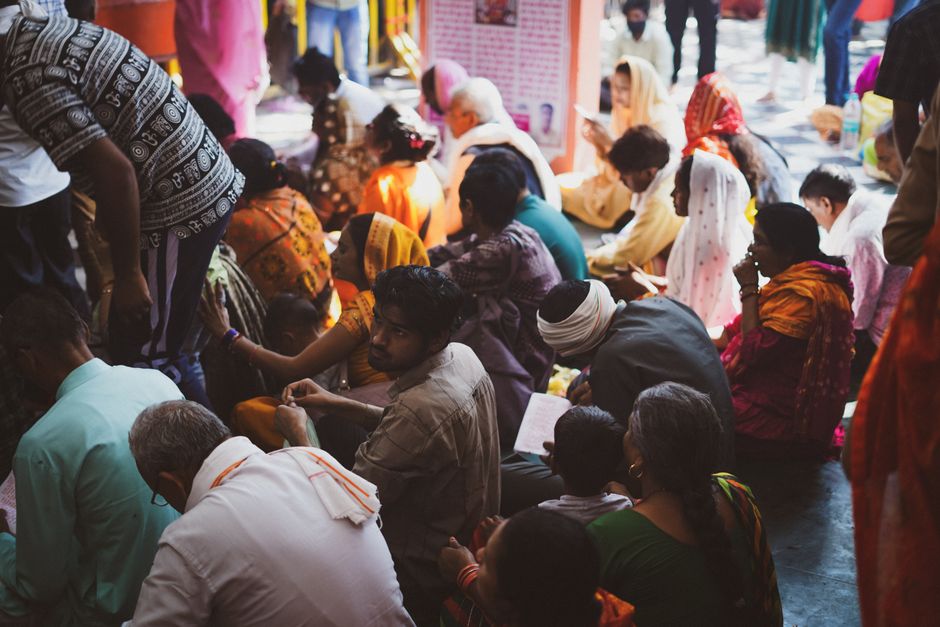
Don’t wait until you’re sick. Pack a small pharmacy before you go.
| Medication | What it does | When to use it |
|---|---|---|
| Pepcid AC (Famotidine) | Reduces stomach acid — kills some bacteria before they colonize | Take one 20mg tablet 30 minutes before a risky meal (street food, buffet) |
| Immodium (Loperamide) | Stops diarrhea by slowing gut movement | Only for emergencies (long bus ride, flight). Do not use if you have a fever or bloody stool |
| ORS packets (Oral Rehydration Salts) | Replaces fluids and electrolytes | Start drinking ORS as soon as diarrhea begins. Mix with bottled water only |
| Ciprofloxacin or Norfloxacin (antibiotics) | Prescription-only. Kills bacterial infections | Only if diarrhea is severe (6+ episodes in 24 hours) or includes fever/blood. Consult a doctor first |
A common mistake: popping Immodium at the first sign of loose stool. Your body is trying to flush out bacteria. Let it. Only stop diarrhea if you absolutely need to (like a 12-hour train ride). Otherwise, let it run its course while you rehydrate.
When NOT to Eat at a Hotel Buffet
Hotel buffets look safe. They’re not always.
Buffet food sits under heat lamps for hours. Bacteria multiply fast at room temperature. If the chafing dish is lukewarm, that curry has been sitting for two hours — and it’s a bacterial buffet.
Stick to dishes that are made-to-order: omelets, dosas, pasta, grilled meats. Avoid the salad bar, cut fruit, and any creamy dessert that’s been sitting out.
If you’re staying at a budget guesthouse, ask if they cook fresh for each order. Many small places in India do — and that’s safer than a five-star hotel buffet that’s been sitting since 6 AM.
What to Do If You Get Sick Anyway
It happens. Here’s the protocol.
Step 1: Stop eating for 6-12 hours. Give your gut a break. Sip ORS or coconut water (from a sealed bottle, not a fresh coconut from a street vendor).
Step 2: Rehydrate aggressively. You need to replace every gram of fluid you lose. ORS is the gold standard. Mix one packet per liter of bottled water. Drink small sips every 10 minutes.
Step 3: Watch for red flags. If you see blood in your stool, have a fever above 38.5°C (101°F), or can’t keep any fluids down for 12 hours, find a doctor. India has good private clinics in cities — ask your hotel for a recommendation. A consultation costs around $10–20 USD.
Step 4: Don’t panic. Most cases resolve in 24–48 hours. You will survive. You’ll eat again. The butter chicken will still be there when you’re better.
The One Thing Most Travelers Get Wrong
They obsess over food and forget about their hands.
You touch a railing at a train station. You shake hands with a friendly local. You pick up your phone. Then you eat a samosa with your fingers. That’s how you get sick.
Carry a small bottle of hand sanitizer in your pocket. Use it before every meal, every snack, every time you touch food. Also: don’t touch your face, especially your mouth, between hand washes.
Another overlooked vector: money. Indian rupee notes pass through hundreds of hands. They’re filthy. Wash your hands after handling cash, especially before eating.
Bottom line: the person who sanitizes their hands after paying the chai wallah and before picking up that samosa will walk away clean. The person who doesn’t will be writing a sad WhatsApp to their mom from a hotel bathroom.