You’re in a hostel in Chiang Mai. The free breakfast coffee is instant Nescafe. Or worse, it’s been sitting in a thermos since 7 AM. You need real coffee. You need it fast. And you can’t carry a espresso machine in your Osprey Farpoint.
I’ve been there. So I spent three months testing the three most hyped portable coffee makers for nomads: the Aeropress Go, the Wacaco Minipresso GR, and the Wacaco Nanopresso. Here’s what works and what doesn’t.
Why Portable Coffee Makers Exist (And Why Most Suck)
Let’s be honest. Most portable coffee gear is a compromise. You get weak coffee, a mess, or a device that takes up half your backpack. The problem these makers solve is simple: real coffee anywhere. No electricity. No bulky machines. Just hot water and ground beans.
The first principle is pressure. Espresso needs 9 bars of pressure. Aeropress uses air pressure from your arm. The Minipresso and Nanopresso use a spring or manual pump. If the pressure is off, you get bitter or watery coffee. Period.
Most nomads I met made one of three mistakes: they bought a device that’s too fragile, too slow to clean, or too big for carry-on. This article fixes that.
Aeropress Go – The Best All-Rounder
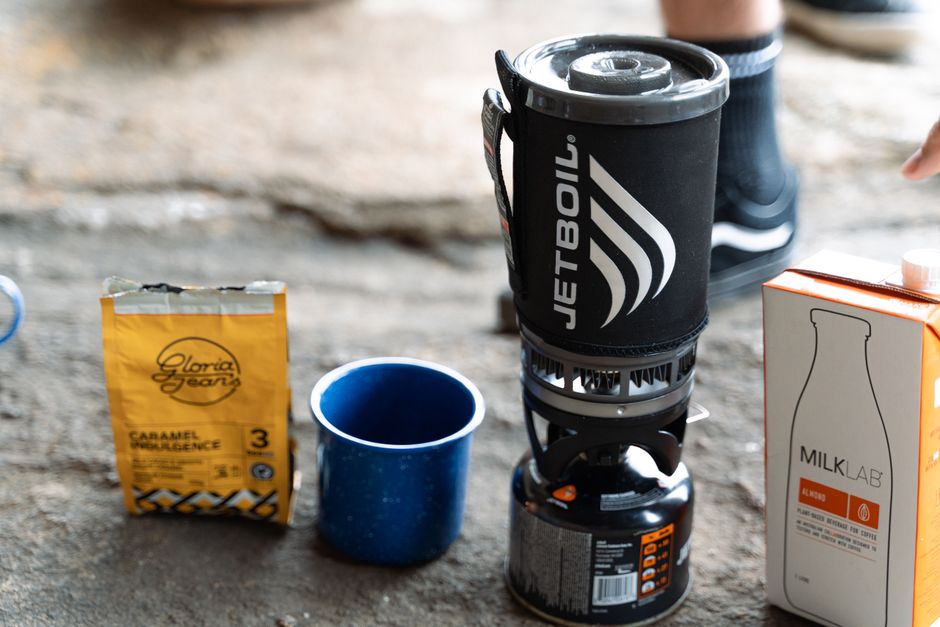
The Aeropress Go is the winner. It’s not an espresso machine. It makes a strong, clean cup of coffee that’s closer to a pour-over with body. But for a digital nomad, that’s perfect.
Here’s the spec sheet: it weighs 250 grams. It fits inside a standard mug. The entire kit includes the chamber, plunger, filter cap, scoop, stirrer, and a stack of filters. It costs $34.95 on Amazon. It makes one cup at a time in under 2 minutes.
Why It Wins for Travel
Cleaning takes 5 seconds. You pop the puck into a trash bin. Rinse. Done. No soap needed. The plastic is BPA-free and durable. I dropped mine off a hostel bunk bed. It bounced. No cracks.
The coffee quality depends on your grind and water temp. Use a medium-fine grind and water just off boil. I used a $10 hand grinder from Hario and got consistent results. The result is a clean, low-acid cup.
Verdict: For the nomad who wants good coffee, easy cleanup, and a tiny footprint, the Aeropress Go is the pick. It’s not espresso. But it’s better than 90% of cafe coffee in Southeast Asia.
Wacaco Minipresso GR – Espresso on the Go (With a Catch)
The Wacaco Minipresso GR is the opposite of the Aeropress. It’s designed to make real espresso. It uses a spring-loaded mechanism that generates 8 bars of pressure. That’s close to a proper espresso machine.
Price: $49.90. Weight: 360 grams. Size: about the same as a large water bottle. It comes with a built-in cup and a scoop.
The catch? It’s finicky. The grind has to be perfect. Too fine and you can’t press the lever. Too coarse and you get sour water. I spent a week dialing it in. Once dialed, it produces a thick crema and a genuine espresso shot.
Failure mode: Cleaning is a pain. You have to disassemble the brew head, rinse the spring, and dry every part. If you leave it wet for a day, it gets moldy. I saw this happen to a friend in a hostel in Bali.
Verdict: Buy this only if you absolutely need espresso. Not for daily convenience. Not for hostel life. For a hotel room with a private bathroom, it’s fine.
Wacaco Nanopresso – The Overengineered Alternative
The Wacaco Nanopresso is the Minipresso’s bigger, more expensive sibling. It costs $69.95. It weighs 336 grams. It uses a manual piston pump instead of a spring. You pump it 10-15 times to build pressure.
It makes better espresso than the Minipresso. More consistent. Less finicky with grind size. The pump system is easier to control. But it’s also bulkier. It doesn’t fit in a standard mug.
The biggest problem is the pump mechanism. It’s durable but slow. You need both hands. In a cramped hostel kitchen, that’s annoying. The cleaning is similar to the Minipresso – annoying.
Verdict: Skip this unless you’re a coffee snob who camps or stays in Airbnbs with a proper kitchen. For a backpacker moving every 3 days, it’s too much gear.
| Feature | Aeropress Go | Minipresso GR | Nanopresso |
|---|---|---|---|
| Price | $34.95 | $49.90 | $69.95 |
| Weight | 250g | 360g | 336g |
| Cleaning time | 5 seconds | 2 minutes | 3 minutes |
| Coffee type | Strong filter | Espresso | Espresso |
| Best for | Hostels, carry-on | Hotel rooms | Camping, Airbnbs |
What You Actually Need – The Grinder and Water Problem
None of these makers work without two things: a grinder and hot water. Pre-ground coffee goes stale in days. In a humid climate like Vietnam or Thailand, it’s useless after 48 hours.
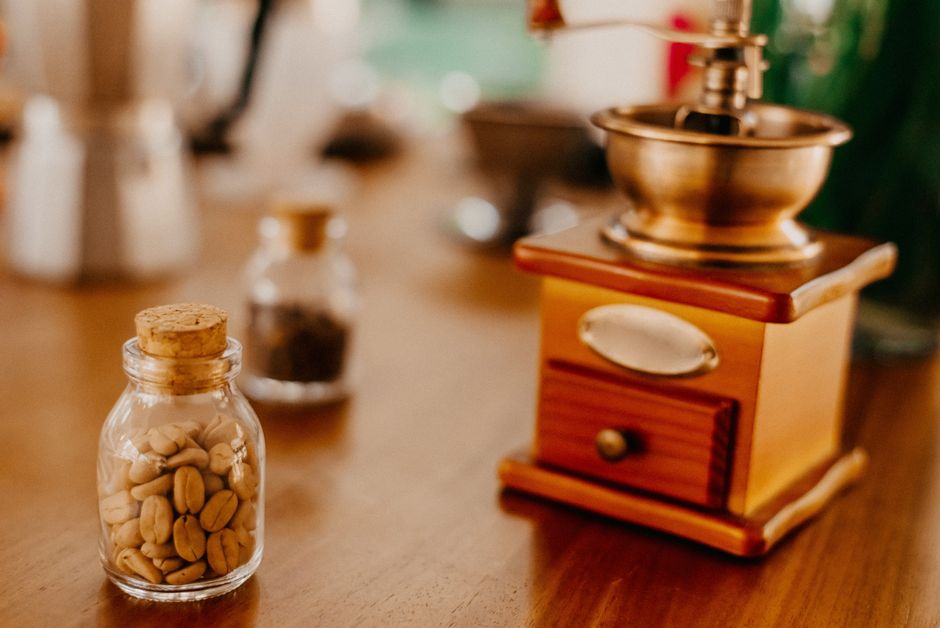
Buy a Hario Skerton Pro hand grinder ($45). It’s ceramic, durable, and fits in a side pocket. Grind right before brewing. Keep your beans in a ziplock bag, not the original bag. Squeeze the air out.
Hot water is the second problem. Hostels often have a kettle. If not, ask the reception. Most will give you hot water for free. In a pinch, use the hot water tap in the bathroom. It’s not ideal, but it works.
Mistake to avoid: Don’t buy a portable kettle. They’re bulky, draw too much power, and hostels hate them. Use the hostel’s kettle or buy a thermos.
When NOT to Buy a Portable Coffee Maker
This is the honest part. If you’re staying in cities with good coffee shops, don’t buy any of these. In Ho Chi Minh City, a good Vietnamese iced coffee costs $1. In Lisbon, a pastel de nata and espresso is $2.5. You’ll never break even on the $35 device.
Buy one only if you’re in remote areas, camping, or staying in hostels with terrible breakfast. Or if you’re a coffee snob who can’t drink instant. Otherwise, just buy coffee at the cafe. It’s cheaper and easier.
The other exception: if you fly constantly. The Aeropress Go fits in your personal item. You can brew in the airport lounge or on the plane (ask the flight attendant for hot water). I did this on a 14-hour flight from Bangkok to London. Best decision.
My Final Recommendation
For 90% of digital nomads, the Aeropress Go is the only portable coffee maker you need. It’s cheap, light, easy to clean, and makes great coffee. The Minipresso and Nanopresso are for espresso purists who don’t mind extra work and weight.
Pair it with a Hario Skerton Pro grinder and a bag of locally roasted beans. You’ll never suffer hostel coffee again.