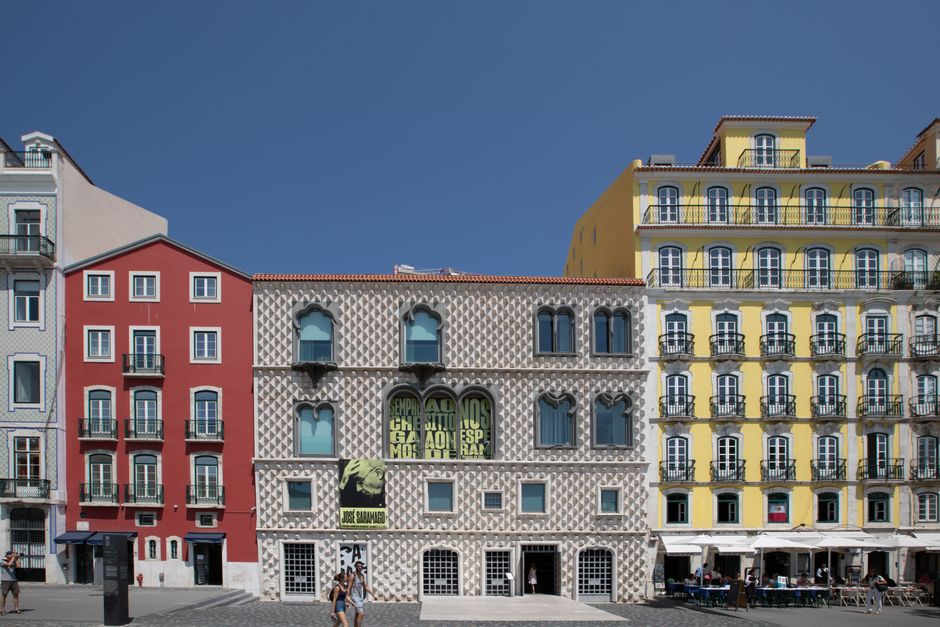
Western Europe and “budget-friendly” rarely appear in the same sentence, unless you know which cities to target. Look beyond the most obvious stops and you can build a trip around river views, neighborhood restaurants, and historic streets without making every day a string of expensive attractions.
Porto, Valencia, Graz, Bologna, and Ghent are worth a closer look. None guarantees a cheap stay: festivals, university events, and busy weekends can change the picture quickly. I would compare accommodation for actual dates before committing, then choose a base that makes walking and inexpensive meals easy. Here is how to approach each city without letting the small extras swallow your budget.
Porto, Portugal
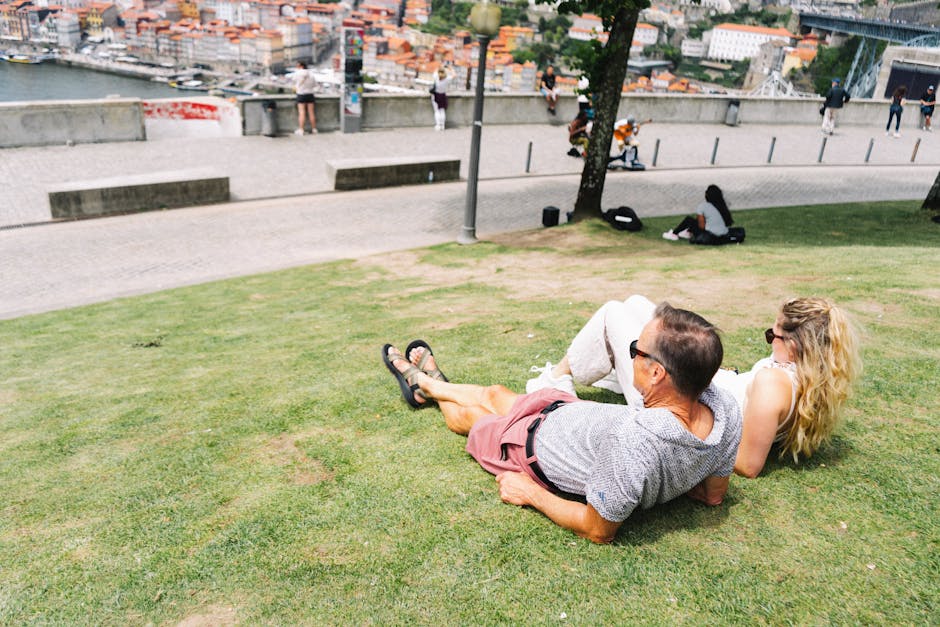
Porto delivers tile-covered buildings, steep streets with river views, and plenty of reasons to linger over lunch. Rather than assuming it will always cost less than Lisbon, compare your room options first. A modest guesthouse can be a good fit for two people, while a hostel works well for solo travelers who will use its kitchen and common areas.
Check the route between your accommodation and the places you want to visit. A room that looks close to the river on a map may involve a substantial uphill walk home. If stairs or hills are difficult, proximity to useful public transport matters more than a picturesque address. Read recent guest descriptions for noise, access, and bathroom arrangements before choosing the cheapest listing.
Build a low-cost day around the historic streets, the Douro waterfront, and views across to Vila Nova de Gaia. Crossing the river gives you a different perspective on the city; a cellar visit can be your paid activity rather than one of several. Compare what a tasting actually includes and whether you need to reserve.
The francesinha, with meat, melted cheese, and a rich sauce, is a hearty local meal. Portions vary, so do not budget on the assumption that one will feed two people. Check whether fries and drinks are extra. Walking tours can help you get oriented, but a tour advertised as free generally expects tips: include that in your spending plan.
Valencia, Spain
Valencia deserves attention beyond Barcelona and Madrid, especially if your ideal city break mixes food, outdoor time, and architecture. For accommodation, compare the old center with residential areas on a convenient transport route. Staying near the beach can suit a beach-focused visit, but it may add journeys if most of your plans are inland.
The Turia gardens, laid out in a former riverbed, provide an easy framework for a day outside. Walk a section, stop with a picnic, and continue toward the City of Arts and Sciences. Enjoying the exterior architecture and public spaces is a different budget decision from buying admission to the attractions. Choose any paid visit deliberately instead of assuming a complex ticket is necessary.
Cycling can be enjoyable, but work out the full rental cost, return arrangements, and deposit before booking a bike. If you only want a short stretch of the gardens, walking may be simpler. In hot weather, plan outdoor sightseeing for cooler hours and leave room for breaks.
Make paella a planned lunch rather than an impulse purchase beside the busiest landmark. Read menus for minimum orders and whether the amount shown is per person. Traditional rice dishes may require two diners or advance ordering, which matters if you are traveling alone. A neighborhood lunch menu can be another useful option: check the included courses, drink, and any supplements before sitting down.
Graz, Austria
Travelers who concentrate on Vienna and Salzburg can miss Graz, with its historic center and student atmosphere. It suits a slower stay where wandering is part of the attraction. Compare small hotels, guesthouses, and hostels on the same basis, including breakfast and any local charges, rather than comparing headline room rates alone.
A central base makes casual sightseeing straightforward, but a room farther out may still work if it has a useful tram connection. Check the journey for your arrival time as well as for daytime sightseeing. A bargain that requires an inconvenient late transfer may be less appealing after a long train ride.
The Schlossberg is a natural focus for a day. Walk up if the climb suits your mobility and the weather, and allow time to pause for views. If you prefer mechanical transport, check the current fare and what your transport ticket covers before boarding. You can combine the hill with an unhurried walk through the old town without scheduling several ticketed attractions.
For meals, look for a Gasthaus or student-area restaurant with a clearly displayed menu. Schnitzel with potato salad is one option, but check whether the side dish is included. A substantial lunch followed by a lighter evening meal can make more sense than ordering a full restaurant dinner every night. Supermarket supplies are useful when your accommodation has a fridge.
Bologna, Italy
Bologna is an appealing base if food is a major reason you travel. Its university atmosphere, traditional restaurants, and covered porticoes give you plenty to enjoy between meals. It is still worth checking dates carefully: a busy event can make accommodation expensive even when your sightseeing plans are modest.
Search both the historic center and places within a comfortable walk of it. Being near the station is useful for an early departure, while a central room may save repeated journeys. Read reviews for street noise and check whether a private bathroom is actually included. For a short visit, a slightly higher room rate can be worthwhile if it simplifies arrival and departure.
Let the porticoes shape your sightseeing. They offer welcome shelter, though you should still expect exposed sections and changing weather. Wander the central streets, browse food shops, and pick one restaurant meal to anticipate. Tortellini in brodo is a classic choice; compare menus and check cover charges before ordering.
Aperitivo can be a pleasant early-evening stop, but the food included varies. Sometimes it means a few snacks rather than enough for dinner. Ask what comes with the drink instead of planning your whole evening meal around it. If you book accommodation with a kitchen, assembling a simple meal from groceries leaves more room for a special lunch.
Ghent, Belgium
Ghent offers canals, guild houses, and a medieval skyline that reward a visit in their own right. It can also fit a trip that includes Bruges, but compare the cost of extra rail journeys with the cost of staying where you most want to spend time. Changing bases too often adds both effort and incidental spending.
For lodging, check walking routes from the station or your onward public transport stop. Much of a central sightseeing day can happen on foot, but that does not automatically eliminate transport costs on arrival. Cobblestones and luggage are another reason to favor a straightforward connection over a slightly cheaper room.
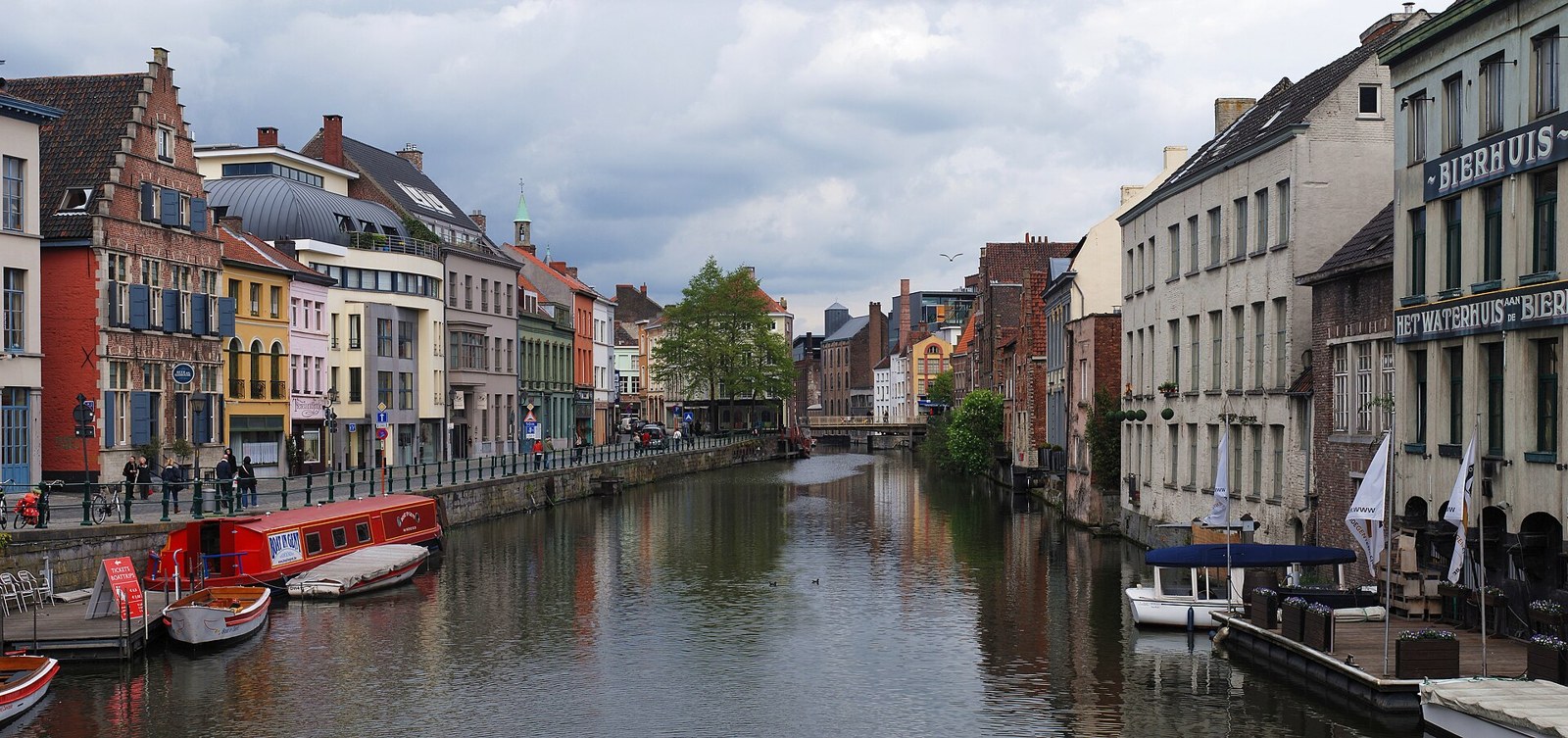
Start with the canals and the view from Sint-Michiels Bridge, then decide whether a paid visit to Gravensteen belongs in your budget. Leaving time to explore the streets costs nothing and keeps the day flexible. If you want a museum or castle visit, check opening arrangements before building your itinerary around it.
Waterzooi, a creamy local stew often made with chicken, is worth seeking out. Compare menus beyond the canal-front tables, and remember that drinks can noticeably increase a restaurant bill. Across all five cities, the most reliable approach is simple: choose accommodation for its total cost and location, enjoy the public spaces, and spend deliberately on the meals or experiences you care about most.