A winter apartment stay in Vilnius can make a short city break feel pleasantly settled. You can put the kettle on after a cold walk, cook something simple and leave your boots by the door. But a flat that looks inviting in photographs may be less comfortable when the approach is icy, the heating is unclear or there is nowhere to dry a wet coat.
I would choose a winter apartment by working backwards from an ordinary evening: getting home with groceries, opening the entrance door, warming up and preparing for tomorrow. That puts practical details ahead of decorative cushions. Before booking, check four things especially carefully: heating, the route to the building, supermarket access and drying space.
Start with the journey to the front door
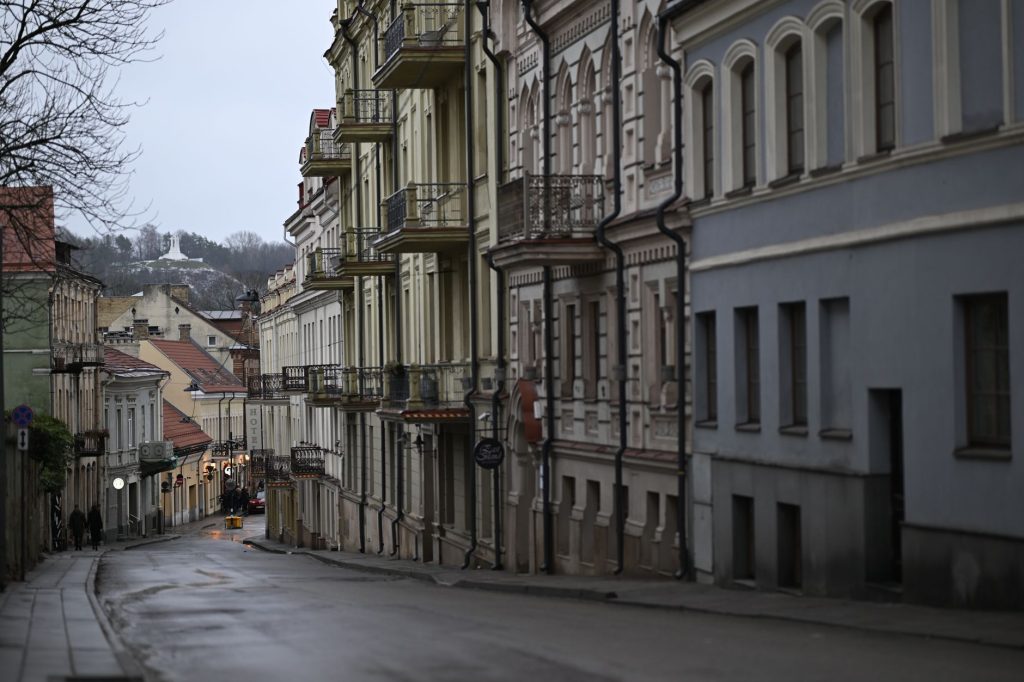
A central map pin does not tell you how easy an apartment is to reach in winter. In and around Vilnius Old Town, look closely at the final approach: uneven paving, steps, slopes and courtyard entrances can all matter when surfaces are slippery. A charming lane may be perfectly manageable, but you want to know what you will be carrying your suitcase across.
Ask whether the entrance opens directly onto the street or sits behind a gate or through a courtyard. Find out if there are outdoor steps, whether they have a handrail and who clears or treats the approach in icy weather. A host cannot guarantee dry pavement, but a clear description helps you judge the fit for your mobility and luggage.
Check the building entrance separately from the apartment floor. A listing with a lift may still have steps before you reach it. If you are travelling with a pushchair, heavy bags or limited mobility, request a description of the complete route rather than relying on a single accessibility label.

Get a specific answer about heating
“Heating available” leaves several questions unanswered. Ask what heats the apartment, whether guests can adjust it and whether it runs throughout the stay. Also establish whether heating and electricity are included in the total booking cost or subject to separate charges. Read the rental terms alongside the host’s reply so there is no mismatch.
For an apartment with individual controls, request simple instructions. If the building controls the heating, ask what you should do if a room feels cold. You do not need a technical explanation of the whole system; you need to know which controls you may use and whom to contact if they do not help.
Look at where you will actually spend time. A sofa beside a large window, a bed against an exterior wall or a desk in a separate room may feel different from the main living area. Ask about the bedroom as well as the lounge, particularly if the layout has several enclosed rooms.
A portable heater should not be the only explanation for how an otherwise unclear apartment stays warm. If one is supplied, ask for its operating instructions and suitable placement. Never use an oven to heat the room, and keep clothing away from heaters and any ventilation openings.
Plan a grocery walk you will want to repeat
A kitchen helps control spending only if using it is convenient. Check where you can buy ordinary groceries, then consider the walking route rather than simply the distance. Several manageable trips are often easier than carrying a heavy load over slippery paving on your first night.
Ask the host which nearby supermarket is practical on foot and whether the route involves a steep section or many steps. Independently check opening hours close to departure, especially if you arrive late or around a holiday. Treat those hours as planning information, with a backup in case your journey is delayed.
Match the kitchen to the meals you intend to make. For breakfasts and simple dinners, confirm that there is a working hob, refrigerator, saucepan, frying pan, chopping board and enough crockery. A kettle and somewhere to sit may matter more to you than a long appliance list. Do not assume oil, salt or coffee will be provided unless the listing says so.
Find out where wet things will go
Winter clothing takes up room even before it gets damp. Look for an entrance area where boots can stand without blocking the door, plus hooks or a rack for coats. In a compact studio, the difference between a usable hallway and a pile beside the bed becomes noticeable very quickly.
Ask explicitly about a drying rack. A washing machine does not necessarily mean there is a tumble dryer, and a washer-dryer needs clear instructions if you plan to use it. For a longer stay, establish where laundry can dry without covering furniture or filling the sleeping area.
Boot trays and spare hangers are useful small details, but you can also plan around their absence. Bring spare socks and allow time for damp footwear to air. Follow the host’s guidance on ventilation, especially after showering or cooking. Do not block vents or drape wet items over electrical appliances.
Send one useful message before you book
A short, organised enquiry is easier to answer than a string of separate messages. Mention your arrival time, party size and any mobility needs, then ask the questions the listing has not already resolved. Save the reply with your reservation details.
- Warmth: What is the heating system, can guests adjust it, and are all related charges included?
- Access: Are there street, courtyard or internal steps, and is there a lift for the full route to the apartment?
- Winter approach: Who handles snow or ice at the building entrance, and is there an alternative entrance if needed?
- Food: Which supermarket is convenient on foot, and what cooking equipment is supplied?
- Drying: Are there coat hooks, a place for wet boots and a laundry rack or dryer?
- Arrival: How does entry work after dark, and who can help if a key or code fails?
Read reviews for recurring comments about warmth, access and communication. One person’s preferred temperature may differ from yours, so look for descriptions rather than treating every “cosy” as proof. If a crucial question remains unanswered, keep looking before committing to restrictive cancellation terms.
Make arrival simple before leaving home
Save the full address, entrance instructions and host contact details somewhere accessible without a data connection. Ask for a photograph or clear description of the correct door if the building has several entrances. Keep access codes private, but make sure another adult in your party can retrieve the instructions.
Pack footwear with a grippy sole and put gloves somewhere you can reach without unpacking. Divide luggage so you can keep a hand free for a rail. Plan a modest first evening: a basic meal, a short grocery trip if conditions allow, and time to understand the apartment.
Use the first half-hour to settle in
- Check entry and exit. Confirm how the apartment door and building entrance open from inside, and find the normal exit route.
- Check the heating. Locate the controls, read the instructions and contact the host promptly if something seems wrong.
- Check everyday essentials. Try the hot water, find the kitchen equipment and note any missing items you need that evening.
- Create a drying area. Set boots and coats where they can air without obstructing doors, vents or heaters.
- Prepare tomorrow’s route. Locate the supermarket and choose a straightforward walk, allowing for the conditions outside.
The best apartment for your trip is one that makes these routines easy. With warmth clarified, a manageable entrance and room for damp winter gear, you can spend less of your Vilnius stay solving household problems and more of it enjoying the city.