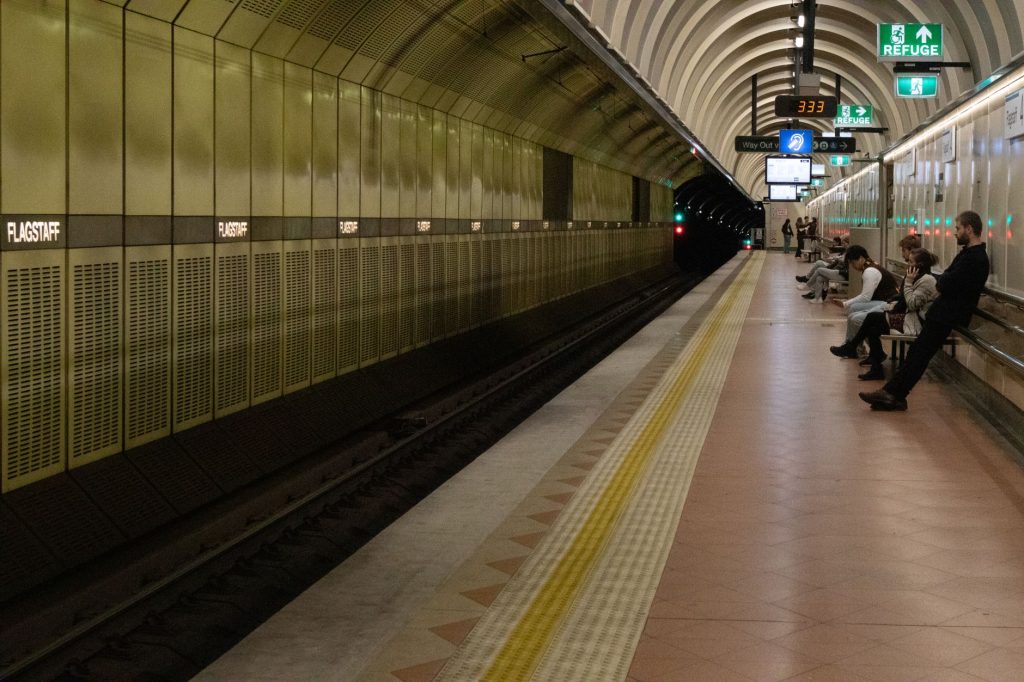
A short stop in Flagstaff can look simple on a booking page: arrive by train, sleep, then head back to the station. The awkward details tend to sit between those steps. You may reach your room when reception is quiet, need somewhere for bags after checkout, or discover that a short walk feels considerably longer with luggage in the dark.
I would choose accommodation for this kind of visit around the rail journey first, then the sightseeing. A comfortable bed matters, but so does being able to get through the door when your train actually arrives. Here is how to compare places without letting a convenient map pin make the whole decision.
Build the booking around your actual rail dates
Start with the arrival and departure details on your rail booking, including the local dates. An arrival shortly after midnight can create an expensive misunderstanding: the room you need may belong to the previous evening’s hotel night. Booking a room for the calendar date on which you step off the train does not necessarily give you access before the property’s afternoon check-in time.
Write down when you expect to need the room, rather than just copying the train date. Then ask the accommodation to confirm which night to reserve. Explain that you are arriving by rail and that the arrival time could change. You want a clear agreement about room access, not simply a note saying that you prefer late check-in.
Do the same calculation for departure. If you leave well after checkout, decide whether you need only bag storage or somewhere to rest, shower and wait indoors. Those are different needs, and a property offering one may not offer the others.
Judge station access as a route, not a radius
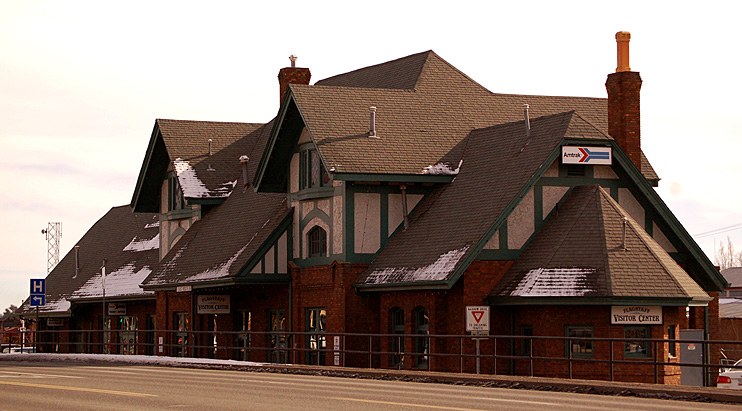
Flagstaff’s passenger station is in the downtown area, so central accommodation is a logical starting point. But distance alone is a poor measure of convenience. Before booking, trace the complete route from the station entrance to the accommodation entrance, including crossings and any section where you would need to change direction with bags.
A property described as close to the railway is not automatically close to the passenger entrance. Tracks, road layouts and the position of the building’s accessible entrance can all change the journey. Use a walking route rather than drawing a straight line across a map, and ask the property which approach it recommends for someone arriving on foot.
- With a small backpack: a slightly longer, straightforward walk may be perfectly manageable.
- With wheeled luggage: consider surfaces, kerbs and whether you can avoid awkward crossings.
- With mobility needs: confirm the route and entrance directly, including steps, lifts and room access.
- With children or several bags: consider whether arranging a vehicle would make arrival easier.
If you plan to use a taxi or another vehicle, treat that as a separate arrangement. Ask where collection is practical and how you will contact the driver if the train is delayed. Do not assume a short drive guarantees that a vehicle will be waiting when you arrive.
Balance a short walk against nighttime noise
Staying near the station reduces the effort of arrival, but railway surroundings can bring noise. Downtown activity can add another layer. A listing that emphasises nightlife, bars or a lively location may be describing exactly what makes it enjoyable for one traveller and unsuitable for another who needs an early night.
Look beyond the property’s overall review score. Read comments specifically about sleep, passing trains, traffic, nearby entertainment and noise between rooms. Repeated descriptions are more useful than a single complaint, although reviews cannot predict how quiet your particular night will be.
Ask about the room itself. Does it face the tracks, a busy road, a courtyard or another building? Can you request a room away from lifts, stairs and shared entrances? A quieter room within a convenient property may be a better compromise than moving farther out and adding uncertain transport.
Keep expectations realistic. A room request is not always a guarantee, and distance from the tracks does not promise silence. If sleep is your priority, say so before paying and find out what the property can actually confirm. Earplugs can be useful, but they should support a sensible booking rather than rescue an unsuitable one.
Check reception hours and delayed-arrival procedures
The phrase “late arrival available” needs unpacking. It might mean a staffed desk, a key box, an entry code or an arrangement that must be completed before reception closes. Each can work, provided you know the procedure and can meet its requirements.
Ask what happens if you arrive later than the time you originally supplied. Will the booking remain active? Is there a deadline for collecting a key? Does someone answer the telephone overnight? If remote check-in requires identification or payment details in advance, complete those steps through the property’s established booking process before travelling.
Save the instructions somewhere you can reach without a connection. Include the address, entry details, booking reference and contact number. Keep your phone charged, and make sure a travelling companion also has the essentials where appropriate. Standing outside a locked entrance is a poor moment to discover that all the instructions are buried in an inaccessible inbox.
Make luggage handling part of the reservation
For a short stopover, luggage storage can determine how much of Flagstaff you actually enjoy. Ask about both ends of the stay: bags before the room is ready and bags after checkout. Do not assume that a property with reception automatically stores luggage, or that storage remains accessible after the desk closes.
Find out where bags are kept, whether there is a charge and when you must collect them. Ask whether collection requires a staff member and what happens if your departure plans change. Keep medicines, identification, tickets and valuables with you, and choose an arrangement you are comfortable using.
A late checkout may help, but only if it covers the hours you need. Compare its total cost with another night when a long wait would otherwise leave you tired and carrying bags. Neither option is automatically economical; the useful comparison is what each buys you in rest, access and flexibility.
Compare the complete stopover cost
A cheaper room farther away can still be good value, especially if you have a car or a reliable transfer arrangement. For a rail passenger making a brief visit, however, transport and extra waiting time deserve a place beside the room rate.
Before committing, compare the final accommodation total, any luggage charge, transport in both directions and any extra room access you need. Check the cancellation terms too. A flexible reservation may be worth considering when a change to the rail journey would make the original stay impractical, but read the actual deadline and conditions.
Food access is another practical detail. Establish whether breakfast fits your departure time and whether you need to arrange something to eat before a late arrival. A breakfast included in the rate has little value if you must leave before it starts.
Send one clear message before you book
Keep your enquiry specific: “I am arriving by train around this time and leaving around that time. Which night should I reserve, how do I enter if the train is delayed, and can you store my bag until departure?” Add any room-noise or accessibility requirements that would change your decision.
Choose the place whose answers fit your journey and keep those answers with your booking. For a Flagstaff rail stopover, the most useful accommodation is somewhere you can reach comfortably, enter reliably, sleep reasonably well and leave without a luggage problem.