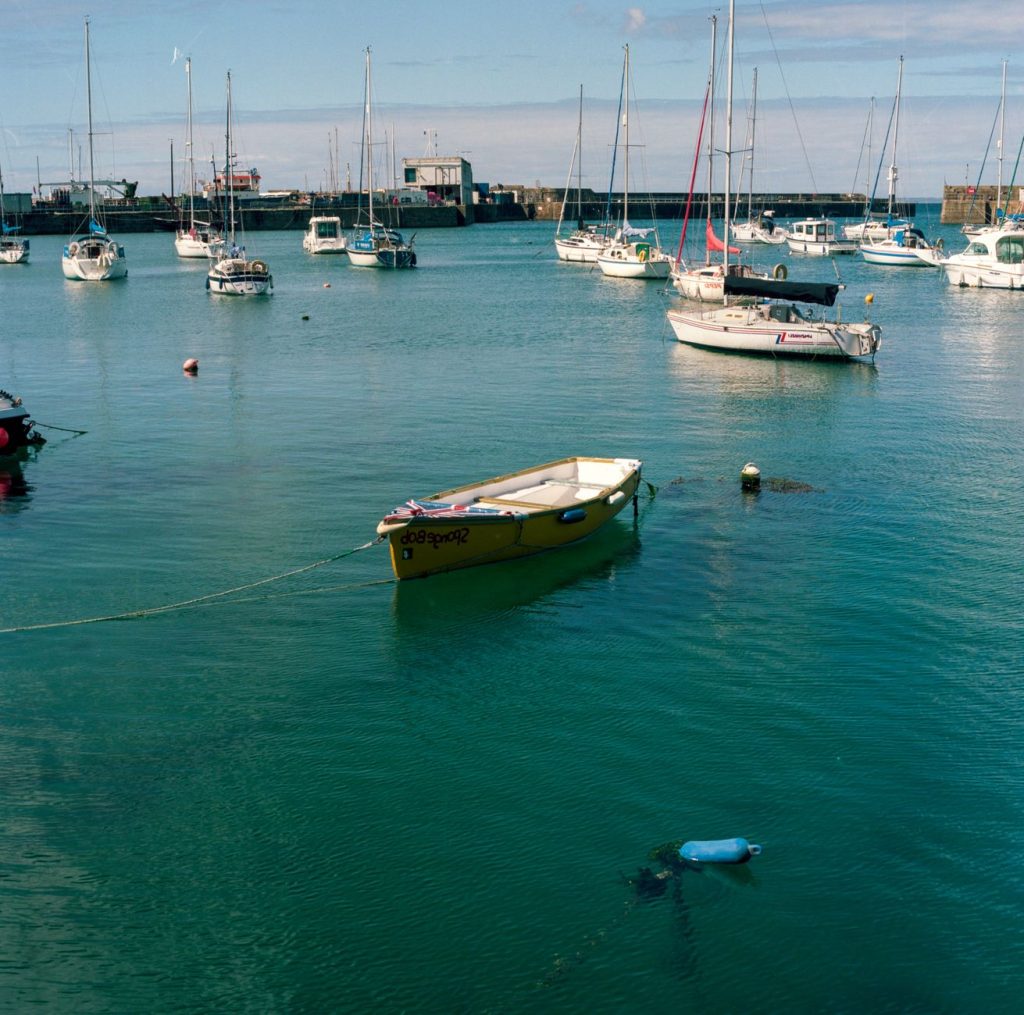
A night in Penzance before travelling to the Isles of Scilly can do more than break up a long journey. It gives you somewhere to reorganise your bags, eat properly and reach your departure point without relying on every earlier connection working perfectly. The trick is to plan that mainland stay as part of the island trip, with its own accommodation decisions and fallback options.
I would start with three questions: where do I need to be for departure, what happens to my luggage between rooms, and where could I sleep if travel changes? Answer those before choosing the prettiest room. A modest place with clear arrival arrangements may serve you better than a cheaper booking that creates another difficult transfer.
Map the whole journey before booking a room
Put your mainland arrival, Penzance accommodation, onward departure point and island accommodation on one simple itinerary. Include the return journey too. If your chosen route involves an airport or another departure point outside central Penzance, account for that separately; a room near the railway station does not automatically put you near your onward transport.
Use your operator’s booking information to confirm where you must report, what check-in involves and which luggage rules apply. Avoid building the plan around a remembered timetable or someone else’s past trip. Your own booking details should determine when you need to leave your accommodation and whether you need an early breakfast or a packed snack.
For each transfer, write down the address, your intended way of getting there and an alternative. Think about the actual journey with your bags: steps, uneven surfaces, rain and a tired travelling companion can make a short distance feel much longer.
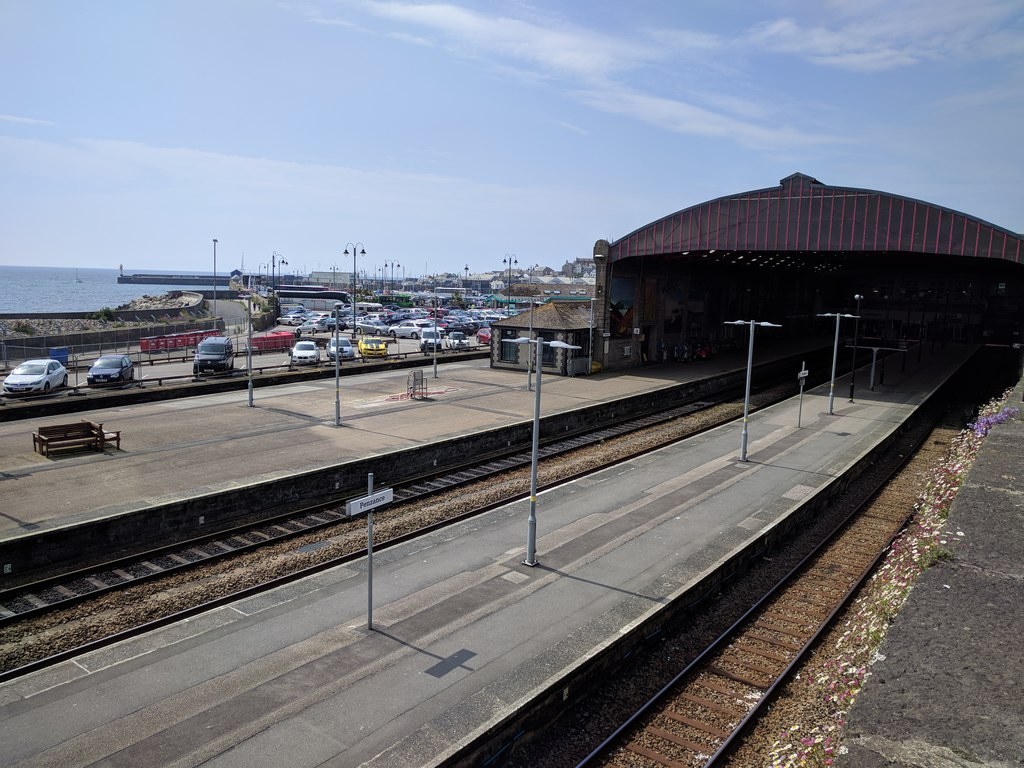
Choose accommodation for the departure morning
Search by location and practical arrangements before comparing room styles. A central guesthouse, a simple hotel or a self-catering room could all work. What matters is whether the property supports your arrival and departure times without adding costs or uncertainty.
Read the terms attached to the specific room you are considering. Different rates at the same property may have different cancellation conditions. Check when payment becomes due, when cancellation charges begin and whether changing a date counts as cancelling and making a new booking.
Before reserving, ask the host a short set of useful questions:
- Can I arrive at my expected time, and what happens if I am delayed?
- Can I leave early without waiting for reception to open?
- Is breakfast available before I need to depart, or is there an alternative?
- Can you hold luggage before check-in or after checkout, and are there restrictions?
- If onward travel is disrupted, how should I enquire about another night?
An answer about possible extra nights is helpful, but it is not a reservation. Do not treat a friendly offer to “see what we can do” as guaranteed accommodation. Keep the property’s contact details somewhere accessible without having to search through a booking app.
Give your buffer day a specific purpose
A buffer is most useful when you know which problem it is meant to absorb. Arriving in Penzance the day before your island departure reduces dependence on a same-day mainland connection. It does not guarantee that your onward journey will operate, or that a replacement journey will have space.
If your leave allowance permits, leave some flexibility around the return as well. A demanding onward connection immediately after the island crossing can turn a change of plan into several separate booking problems. Consider how much time you would need to rearrange transport, find a room and contact anyone expecting you home.
You do not have to pre-book several unused nights to make a sensible plan. Instead, compare the cost of a flexible room with your exposure if a fixed booking becomes unusable. Identify a few alternative accommodation areas you could realistically reach with luggage. A fallback outside Penzance only helps if you can get there and return for departure.
Plan the gap between checkout and departure
Luggage is often the awkward part of an otherwise straightforward overnight stop. Your room may need to be vacated before you can check in for onward travel. On the return, you might reach the mainland before your next room is ready.
Ask about storage explicitly rather than assuming a host can keep bags. Establish the collection window, whether someone must be present and whether you can retrieve everything if your plans change. If you intend to use another storage service, confirm its availability and terms before depending on it.
Pack a small bag that stays with you during these gaps. Include booking details, essential medication, charging equipment, a waterproof layer and whatever you need for a comfortable wait. Keep valuables and documents out of stored luggage. Your larger bag should be easy to close again without spreading its contents across a lobby floor.
Check luggage allowances for your particular transport before leaving home, including any requirements for larger or unusual items. If you are leaving something on the mainland for the island portion, arrange storage for the full period and confirm collection arrangements for your return.
Use the Penzance evening to remove small problems
Once you have checked in, locate the next day’s departure point or transfer pickup. You do not need an elaborate reconnaissance walk, but you should know which entrance or meeting place your instructions refer to. Ask about anything unclear while you still have time to resolve it.
Then make the evening easy. Choose dinner within a comfortable distance, sort breakfast and buy any ordinary provisions you need before an early start. If your accommodation has a kitchen, a simple meal can help control spending, provided you have checked what equipment is available.
A stroll around the town or waterfront can be a pleasant part of the stay if conditions suit. Keep it optional. This is a useful night to charge devices, repack and rest; filling every hour with sightseeing can undo the benefit of arriving ahead.
Make a weather-change plan before you need it
Follow your operator’s instructions for service information and contact arrangements. A general forecast can help you dress and pack, but it cannot confirm whether your booked journey will operate. Keep your contact details correct on the reservation and check messages at the points your operator recommends.
If travel changes, first establish what the operator is offering and what you need to do next. Avoid buying a second journey before understanding the status of the original booking. Alternative routes can involve different departure points, availability and luggage requirements.
Contact your island accommodation promptly with the information you have, even if your revised arrival remains uncertain. Ask how a delayed arrival affects check-in and the booking terms. Separately, contact your mainland host about availability if you need another night. Neither property should be assumed to absorb the consequences automatically.
Keep confirmations and receipts together. If you have travel insurance, read the relevant conditions before deciding what to book or claim. Cover, evidence requirements and exclusions depend on the policy; disruption does not automatically make every extra expense recoverable.
Keep the fallback affordable and usable
Set aside some money for an unplanned mainland meal, local transport or an additional room. This is separate from your island spending budget. Knowing what you can comfortably spend makes it easier to choose calmly if plans change.
Before leaving home, save a short offline note with your accommodation contacts, operator details, booking references and fallback steps. Share it with your travelling companion. With those practical pieces settled, Penzance becomes a comfortable pause in the journey, and an extra mainland day has a manageable plan of its own.