I’ve been through maybe a dozen pairs of beach sandals over the last five years. Wet sand, rocky shores, boardwalks, saltwater—most of them failed within a season. Either the sole delaminated, the straps rubbed blisters, or they stank so bad I had to toss them.
This isn’t a list of every sandal on Amazon. These are the pairs I’ve worn for real beach days, from the Gulf Coast to rocky Pacific coves. I’ll tell you which ones held up, which ones didn’t, and where each one belongs in your bag.
Why Most Beach Sandals Fail Within a Year
I learned this the hard way. The first pair I bought looked fine—$25 from a big-box store. After two weeks, the foam sole started peeling off the rubber base. Saltwater turned the straps brittle. By month three, they were trash.
The problem is materials. Cheap sandals use EVA foam for the footbed and a thin rubber outsole. EVA is light and cheap, but it absorbs water, breaks down under UV, and offers zero grip on wet surfaces. A $15 pair of flip-flops is a disposable item, not a travel investment.
What actually lasts? Polyurethane or rubber footbeds, nylon or polyester webbing straps, and a lugged rubber outsole. Those three things cost more to make, but they turn a sandal from a one-season item into something you’ll still wear three summers later.
What to Look For in a Beach Sandal
Three specs matter above all else:
- Outsole material: Rubber with lugs (like a tire tread). Avoid smooth EVA soles.
- Strap material: Nylon or polyester webbing. Leather looks nice but rots in saltwater.
- Footbed: Closed-cell foam or polyurethane. Open-cell foam = sponge = stink.
The Three Sandals I Keep Coming Back To
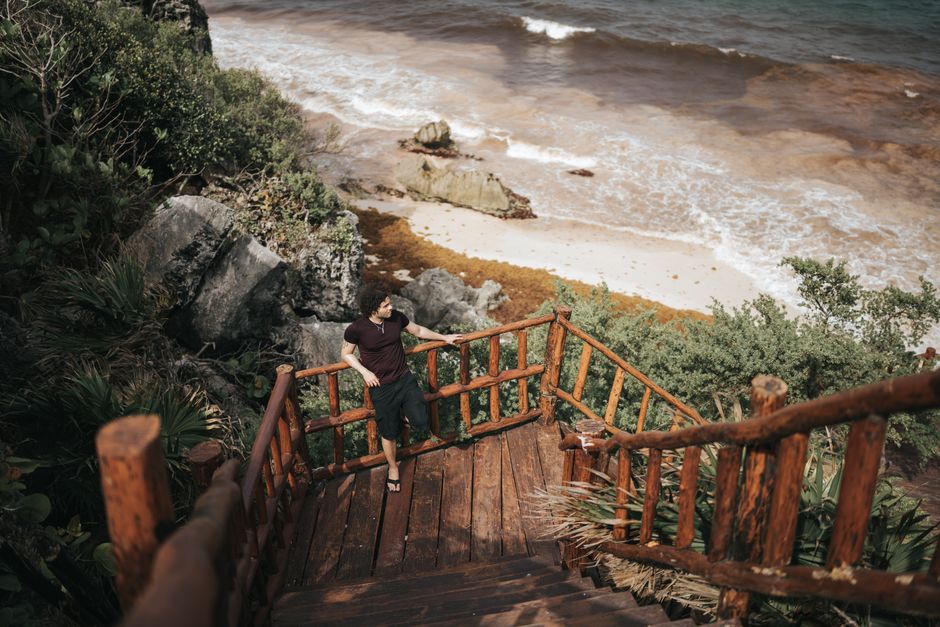
After testing ten pairs over two years, these three cover every beach scenario I’ve encountered. I’m not being diplomatic—these are the only ones I’d spend my own money on again.
| Model | Best For | Weight | Price | My Verdict |
|---|---|---|---|---|
| Rainbow Sandals Premier Leather | Boardwalk, dry sand, casual wear | 12 oz | $65–$75 | Classic look, but avoid wet use |
| Teva Original Universal | Wet sand, light hiking, water sports | 9 oz | $55 | Best all-around beach sandal |
| Bedrock Cairn 3D Pro II | Rocky shores, river crossings, rough terrain | 13 oz | $135 | Indestructible, but overkill for soft sand |
Let me explain why these three, and not the others.
Rainbow Sandals Premier Leather — Best for Dry Beach Days
I bought my first pair of Rainbows in 2019. The leather footbed molds to your foot over time—takes about 20 wears to break in, but after that, it’s like wearing custom orthotics. The double-layer sole is thick enough to walk on hot pavement without feeling the heat.
Here’s the catch: do not wear these in the water. Leather + saltwater = disaster. The straps stretch out, the footbed gets slimy, and they take days to dry. I ruined a pair that way.
For boardwalk strolls, outdoor dinners, or lounging by the pool, they’re perfect. The Premier model ($68) has a slightly thinner sole than the Double Layer, which I prefer for casual wear. They also come in wide widths, which matters if you have a high-volume foot.
Rainbow Sizing Note
Order a half size down from your sneaker size. They stretch about half a size after break-in. A size 10 sneaker = size 9.5 Rainbow.
Teva Original Universal — The Best Beach Sandal for Active Days
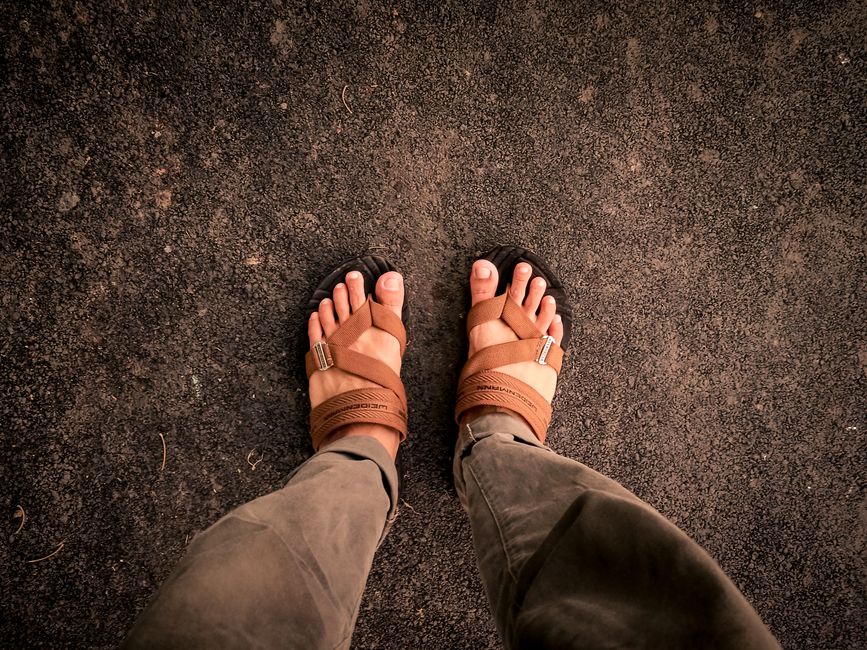
This is the sandal I grab when I know I’ll be in and out of the water all day. The webbing straps are nylon—they don’t absorb water, they don’t stretch, and they dry in about 15 minutes in direct sun. The rubber outsole has enough tread to grip wet rocks and boat decks.
I’ve worn these through surf, sand, and mud. The hook-and-loop closure lets you adjust the fit while they’re wet. At $55, they’re the best value on this list.
One failure mode: the foam footbed can get squeaky when wet. It’s not a dealbreaker, but if you’re noise-sensitive, it might annoy you. Also, the strap between the toes can rub if you wear them without socks for 8+ hours. Take them off for five minutes, let your feet breathe, and you’re fine.
Teva vs. Chaco
Chacos are heavier, more expensive ($100+), and take forever to dry because of the thick webbing. If you’re doing serious river hiking, get Chacos. For a beach day where you might also walk a mile to a restaurant, get the Tevas.
Bedrock Cairn 3D Pro II — For Rocky Shores and Rough Terrain
I bought these specifically for a trip to the Oregon coast, where the beaches are more rocks than sand. The Cairn has a thick Vibram outsole with deep lugs—it gripped wet basalt like I was wearing hiking boots.
The strap system is unique: a single piece of webbing that goes through the sole, so there’s nothing to break or delaminate. They’re fully adjustable, including the toe loop. I’ve worn them on 5-mile walks over mixed terrain and my feet didn’t hurt afterward.
The downside is price—$135. And for soft, flat sand, they’re overbuilt. The thick sole makes you feel disconnected from the ground. If your beach days involve a towel and a cooler, you don’t need these. If you’re exploring tide pools or hiking coastal trails, they’re worth every penny.
Bedrock Sizing Note
They run true to size, but the toe loop takes a day to get used to. Wear them around the house before hitting the beach.
What About Reef, OluKai, and Havaianas?
I’ve worn all three. Here’s the short version:
- Reef Fanning ($60): Good for casual wear, but the leather straps stretch out after a season in saltwater. The bottle opener is a gimmick.
- OluKai Ohana ($90): Very comfortable footbed, but the leather upper is not for wet use. Better for resort wear than actual beach days.
- Havaianas Slim ($22): Fine for poolside or dry sand. The rubber sole is slippery on wet surfaces. They last one season, maybe two.
None of them beat the three I listed for their specific use cases.
How to Make Any Beach Sandal Last Longer
Failure mode: you buy a good sandal, then ruin it by leaving it in the car or not rinsing it after saltwater exposure.
Rinse your sandals with fresh water after every beach trip. Salt crystals are abrasive—they wear down the footbed and corrode the straps. Let them dry in the shade, not direct sun. UV degrades rubber and webbing faster than anything else.
If the footbed starts to smell, scrub it with a mix of 1 part white vinegar to 3 parts water. Let it sit for 10 minutes, then rinse. Don’t use bleach—it breaks down foam.
Quick Comparison Summary
Here’s the bottom line:
- For dry sand and casual wear: Rainbow Sandals Premier Leather ($68). Break them in first.
- For wet sand and active days: Teva Original Universal ($55). Best all-around value.
- For rocky shores and rough terrain: Bedrock Cairn 3D Pro II ($135). Overkill for soft sand, perfect for adventure.
I still own all three. Each one has a place in my travel bag. If I could only keep one, it’d be the Tevas—they handle the widest range of conditions without falling apart.