I’ve been to Kyoto six times over the past decade. First trip? I crammed 12 temples into 48 hours and left feeling like I’d speed-read a novel. Missed all the nuance. The second time, I did the opposite — spent an entire morning staring at moss in a single garden. That was closer, but I still missed half the city’s best food.
Here’s the thing: most 4-day Kyoto itineraries online are written by people who spent 72 hours there once. They tell you to visit Kiyomizu-dera at 9 AM (bad idea — it’s a human river) and suggest a “quick lunch” at Nishiki Market (impossible — you’ll need 90 minutes minimum).
This itinerary is built from six trips worth of mistakes. It balances the big sights with the quiet moments. It respects jet lag. And it won’t make you hate temples by day three.
Why Most Kyoto Itineraries Fail (And How This One Doesn’t)
The biggest mistake travelers make is underestimating transit time. Kyoto’s bus system is slow. A 3-kilometer bus ride can take 40 minutes during peak season. The subway covers only part of the city. Walking is often faster, but you need to plan for it.
The second mistake? Overloading mornings. Temples open at 8 or 9 AM. Tour buses arrive by 9:30. If you’re not at Kinkaku-ji by 8:15, you’re sharing the view with 200 people holding selfie sticks. I learned this the hard way.
Third mistake: ignoring the afternoon lull. From 1 PM to 3 PM, Kyoto’s sun is brutal in summer and the crowds peak everywhere. Smart travelers schedule lunch, a tea ceremony, or a nap during these hours.
The Real Transit Reality
Kyoto’s bus day pass costs ¥600 (about $4 USD). Worth it if you take 3+ rides. But the bus is not your friend during cherry blossom or autumn leaf season — traffic jams are legendary. I use the subway for east-west movement (Tozai Line) and north-south (Karasuma Line), then walk or take a taxi for the last kilometer. Taxis start at ¥580 and are worth every yen when you’re exhausted.
What This Itinerary Covers
Four days. One major temple or garden per morning. One neighborhood exploration per afternoon. One cultural experience (tea ceremony, calligraphy, or cooking class) on two of the four days. Zero filler.
Day 1: The Eastern Hills — Temples, Paths, and the Best View in Kyoto
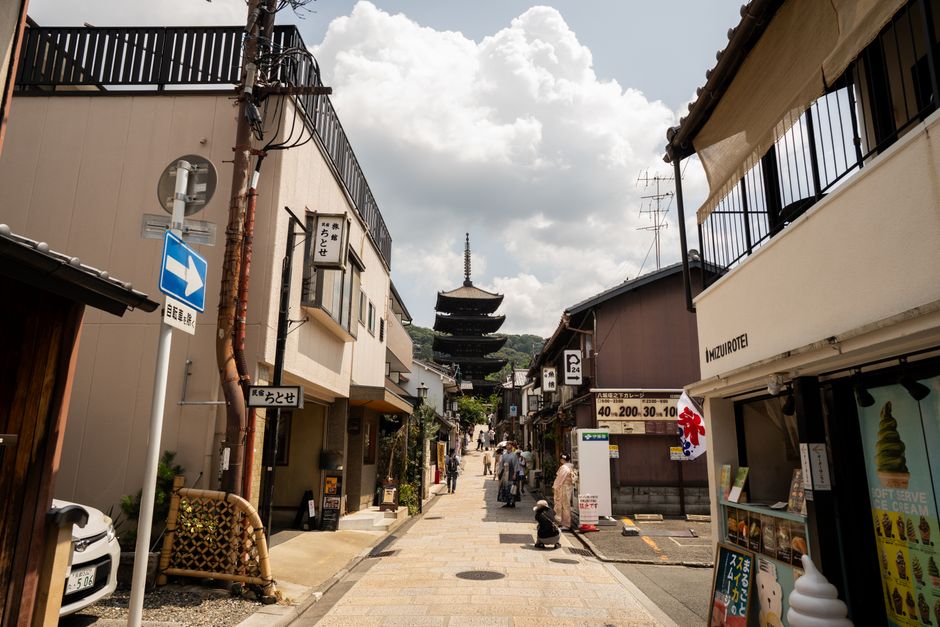
Start at Kiyomizu-dera at 8 AM sharp. The wooden stage overlooking the cherry and maple trees is iconic for a reason. Entry costs ¥400. Give it 90 minutes. The side paths leading down toward Sannenzaka and Ninenzaka slopes are where the real magic lives — old stone streets lined with tea houses and pottery shops. Most tourists rush through. Take your time.
Walk the Philosopher’s Path from Nanzen-ji to Ginkaku-ji. It’s 2 kilometers of canal-side walking under cherry trees (or autumn colors, depending on season). Nanzen-ji is free to enter the grounds; the main temple hall costs ¥600. The aqueduct inside the complex is a surprise — Roman-style brick arches in the middle of a Zen temple. I didn’t expect it the first time and stood there staring for ten minutes.
Lunch: stop at Omen in Nanzen-ji area for udon noodles. A bowl costs ¥1,200 and the broth is light, clean, and restorative. Skip the tourist trap restaurants near Kiyomizu-dera — they’re overpriced and forgettable.
Afternoon: Ginkaku-ji (Silver Pavilion). Entry ¥500. The sand garden shaped like a sea of silver is smaller than you expect, but the moss garden behind it is one of Kyoto’s most peaceful spots. I sat on the bench there for 20 minutes watching a heron. No one bothered me.
Evening: Gion District. Don’t go looking for geisha — you’ll spot them by accident if you’re wandering the narrow alleys around Shirakawa Canal between 5 PM and 7 PM. The Pontocho Alley restaurants are atmospheric but expensive. For a budget option, grab yakitori at Gion Tanto — skewers start at ¥200 each and the counter seating lets you watch the grill work.
| Time | Activity | Cost | Pro Tip |
|---|---|---|---|
| 8:00–9:30 | Kiyomizu-dera | ¥400 | Arrive before 8:30 to beat crowds |
| 9:30–11:30 | Philosopher’s Path walk | Free | Start at Nanzen-ji, end at Ginkaku-ji |
| 11:30–12:30 | Lunch at Omen | ¥1,200 | Get the cold udon in summer |
| 13:00–14:30 | Ginkaku-ji | ¥500 | Sit in the moss garden |
| 15:00–17:00 | Gion wandering | Free | Shirakawa Canal area at dusk |
| 18:00 onward | Pontocho dinner | ¥1,500–3,000 | Gion Tanto for budget yakitori |
Day 2: The Bamboo, the Gold, and a Real Tea Ceremony
This is the day most itineraries mess up. They tell you to visit Arashiyama Bamboo Grove at 9 AM. By then, it’s a slow-moving line of people with cameras. Go at 6:30 AM instead. The bamboo is empty, the light filters through the stalks, and you can hear the wind rustling. I did this on my fourth trip and it was a completely different experience. Entry is free. You’ll have the place to yourself for about 30 minutes.
From the bamboo, walk to Tenryu-ji (opens 8:30 AM, ¥500). The garden is the real draw — a pond designed in the 14th century with borrowed scenery from the mountains behind it. The temple buildings are fine, but the garden is world-class.
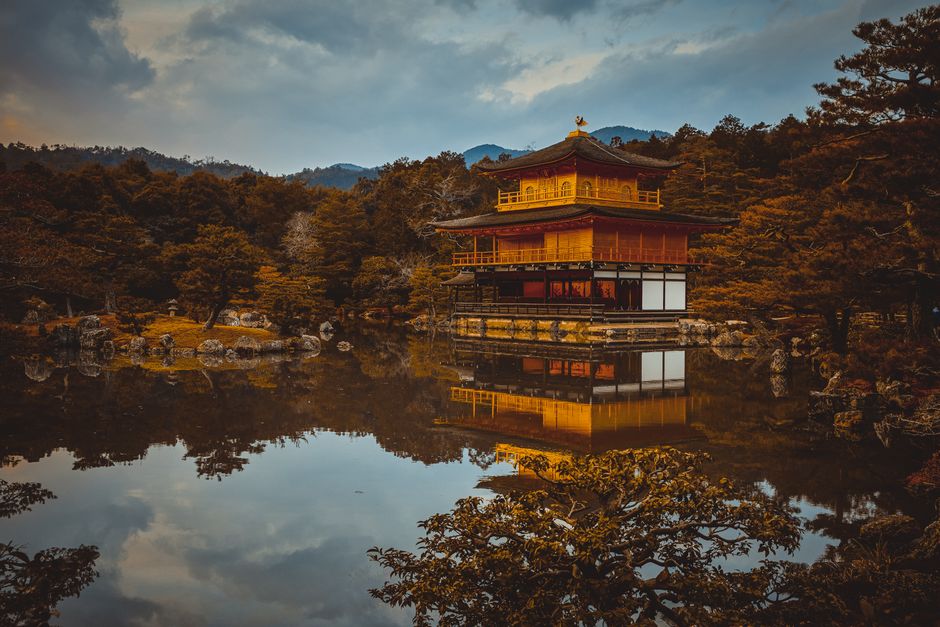
Next: Kinkaku-ji (Golden Pavilion). I know, it’s touristy. But the gold leaf reflecting in the pond is genuinely stunning. Go at 10 AM after the early-morning bus crowds have passed through. Entry ¥400. Stay 45 minutes. Skip the interior — you can’t enter anyway.
Lunch: Shoraian for tofu kaiseki in Arashiyama. It’s a 10-minute walk up the hill from the bamboo grove. A full course runs ¥3,500–5,000. The tofu is made fresh on site and served in a traditional room overlooking the river. Reservations required — book two weeks ahead.
Afternoon: Tea ceremony experience at Camellia Tea Ceremony in the Higashiyama district. ¥1,800 for a 45-minute session in English. You’ll learn the basic movements, drink matcha, and eat a small sweet. The host explains the philosophy behind each gesture. I’ve done three tea ceremonies in Kyoto. This one is the most accessible for beginners without feeling like a theme park.
Evening: Explore Nishiki Market at 5 PM when the crowds thin. Try the pickled vegetables (¥200–400 per portion), the tamagoyaki (¥250), and the matcha soft serve (¥350). Don’t eat a full meal here — it’s a grazing experience.
Day 3: The Northwest — Moss, Rocks, and a Castle
Start at Ryoan-ji at 8 AM (¥500). The rock garden is 15 stones arranged on raked white gravel. You can’t enter the garden, only view it from the wooden veranda. Sit there for 15 minutes. Don’t take a photo and leave. The point is the contemplation. The gravel is raked every morning by monks. I watched them do it once. It took 45 minutes.
Walk 20 minutes north to Kinkaku-ji — wait, you already did that. Instead, go to Ninna-ji, a lesser-known temple complex with a five-story pagoda and cherry trees. Entry ¥500. The main hall has a stunning Amida Buddha statue. The crowds here are maybe 10% of what Kinkaku-ji gets. On my last visit, I had the entire pagoda viewing area to myself for ten minutes.
Lunch: Menbakaichidai for fire ramen. Yes, the broth is set on fire at your table. It’s theatrical but the ramen is legit — ¥1,100 for a bowl. Expect a 20-minute wait even at lunch. The burning leek oil adds a smoky flavor you won’t find elsewhere.
Afternoon: Nijo Castle (¥1,030). The nightingale floors — designed to chirp when walked on — are the highlight. The squeaking is meant to warn of ninja assassins. The interior rooms have beautiful screen paintings. Give it 90 minutes.
Evening: Ponto-cho for dinner. Find a small bar with counter seating. I like Bar K6 for cocktails (¥1,200–1,800) and Sumibi Yakitori Torishige for grilled chicken (¥2,500–4,000 for a full meal with drinks).
Day 4: Fushimi Inari, a Cooking Class, and the Best Matcha in Town
This is the one morning you need to get up early. Fushimi Inari Taisha is open 24 hours and the thousand torii gates are magical at sunrise. I arrived at 6 AM on my last trip. The light was golden, the crowds were maybe 20 people instead of 2,000, and I saw a fox near the summit. The full hike to the top takes 2 hours round trip. Do it. The upper sections are almost empty. Wear good shoes — it’s a real hike with stairs.
Lunch: Cooking class at Cookly in the Gion area. ¥6,000 for a 3-hour session where you make miso soup, teriyaki chicken, tempura, and dashi-maki tamago. The instructor speaks English and explains the science behind dashi (the umami base of Japanese cooking). I learned more about Japanese food in those three hours than in years of eating at restaurants. You eat what you cook. Bring an appetite.
Afternoon: Nakamura Tokichi for matcha. This is the best matcha experience in Kyoto, hands down. The matcha parfait (¥1,200) layers matcha ice cream, mochi, red bean, chestnuts, and whipped cream. The matcha soba (¥1,100) is a savory option — green noodles in a light broth. The shop is in the JR Kyoto Isetan department store, 10th floor. Get there by 2 PM to avoid the line.
Evening: Last walk through Gion. Stop at Maruyama Park for the weeping cherry (if in season) or just sit by the pond. Dinner at Oshokujidokoro for a final bowl of ramen (¥900). Simple, honest, satisfying.
The Bottom Line: What This Itinerary Costs and How to Save
Here’s the honest budget breakdown for this 4-day itinerary, per person:
- Temple/garden entry fees: ¥4,230 (about $28 USD) — includes Kiyomizu-dera, Ginkaku-ji, Tenryu-ji, Kinkaku-ji, Ryoan-ji, Ninna-ji, Nijo Castle
- Food: ¥12,000–18,000 ($80–120) — three meals plus snacks and one nice dinner
- Transit: ¥2,400 ($16) — two bus day passes plus a few subway rides
- Cultural experiences: ¥7,800 ($52) — tea ceremony and cooking class
- Total: ¥26,430–32,430 ($176–216) excluding accommodation
Save money by buying a Kyoto City Bus & Kyoto Subway One-Day Pass (¥1,100) on days you’ll take 4+ rides. Skip the cooking class if budget is tight — the tea ceremony is the better cultural value at ¥1,800. Stay in a guesthouse in Higashiyama (dorm beds from ¥3,000/night, private rooms from ¥8,000) to be walking distance from Day 1 sights.
The real cost of a bad itinerary is wasted time. This one works because it respects Kyoto’s rhythm — early mornings, quiet afternoons, and evenings for wandering. I’ve refined it across six visits and dozens of mistakes. Follow it, and you’ll leave feeling like you actually experienced Kyoto, not just photographed it.