Most travelers think Italian food is all about Tuscany, Amalfi, and Rome. That’s like saying American food is just hamburgers and hot dogs. The real depth — the dishes that don’t make it onto Instagram — lives in Italy’s overlooked regions. Marche, Molise, Basilicata. These places have zero tourist crowds and food traditions that go back centuries. But planning a trip there requires a different playbook. You can’t just show up and hope to stumble into a good trattoria. This article walks you through exactly how to build an itinerary that prioritizes food without blowing your budget.
The Myth of “Regional Italian Food” — Why Most Travel Guides Get It Wrong
Here’s the misconception: Italy has 20 regions, each with one cuisine. Not true. A single region like Marche has at least four distinct cooking zones — coastal fish-based, mountain game, inland olive oil country, and the truffle-heavy hills near Norcia. If you drive from the Adriatic coast to the Apennines in one day, you’ll eat three completely different meals.
The problem with standard guidebooks is they treat “regional food” as a monolith. They’ll tell you to eat olive ascolane (stuffed fried olives) in Marche, but they won’t tell you that the best version comes from a specific family-run friggitoria in Ascoli Piceno. That’s the level of detail you need.
To plan properly, start by picking one or two lesser-known regions — not three or four. Driving between regions eats time, and Italian roads are slow. A solid choice is pairing Marche and Umbria, or Basilicata and Molise. You get variety without spending half your trip behind the wheel.
For each region, identify its three signature ingredients. Not dishes — ingredients. For Marche: verdicchio (white wine), olive all’ascolana (the olive variety), and pecorino di fossa (sheep cheese aged in caves). For Basilicata: peperone crusco (dried sweet pepper), caciocavallo podolico (cheese from Podolian cows), and aglianico del Vulture (wine). Once you know the ingredients, you can find the restaurants that feature them.
Sample 10-Day Itinerary: Marche + Umbria (Under €1,200 per Person)
This itinerary assumes two people sharing a car rental and double rooms in budget agriturismi. Prices are from 2026 data.
| Day | Location | Food Focus | Budget (€) |
|---|---|---|---|
| 1 | Ancona (arrival) | Market visit, seafood dinner | 60 |
| 2 | Conero Riviera | Brodetto di pesce (fish stew) | 55 |
| 3 | Loreto + Recanati | Verdicchio wine tasting, olive oil mill tour | 70 |
| 4 | Ascoli Piceno | Olive all’ascolana, local charcuterie | 50 |
| 5 | Monti Sibillini | Black truffle pasta (tagliatelle al tartufo) | 65 |
| 6 | Norcia (Umbria) | Norcino butcher shop, cured meats | 55 |
| 7 | Spoleto | Strangozzi pasta with pecorino | 45 |
| 8 | Assisi + Montefalco | Sagrantino wine, torta al testo (flatbread) | 60 |
| 9 | Perugia | Baci chocolates, roasted porchetta sandwich | 40 |
| 10 | Depart from Perugia | Buy local olive oil and wine for home | 30 |
| Total per person (shared costs) | €530 food + €400 accommodation + €250 car/gas = €1,180 | ||
This budget works because you’re eating where locals eat — not tourist-trap piazzas. A meal in Norcia costs half of what it costs in Florence. The accommodation is agriturismi, which often include a simple breakfast and sometimes dinner.
Three Mistakes That Ruin a Foodie Road Trip (and How to Avoid Them)
Mistake #1: Relying on Google Maps reviews. In lesser-known regions, the best restaurants often have zero English reviews and a 3.8-star rating because locals don’t bother leaving feedback. Instead, ask your agriturismo host. Say “Dove mangiate voi?” (Where do you eat?). That question gets you the real list. We used this trick in a tiny village called Montefiore dell’Aso and ended up at a trattoria that served a 4-course meal for €18.
Mistake #2: Booking accommodation far from food sources. If you book a farmhouse 30 minutes from the nearest town, you’ll eat dinner at the farmhouse — which might be fine, but it locks you into one option. Stay within a 15-minute drive of at least two restaurant clusters. Use Google Maps to check distance to “trattoria” or “osteria” before booking.
Mistake #3: Ignoring the lunch closure. In small Italian towns, lunch runs 12:30–2:30 PM. After that, kitchens close until 7 PM. If you arrive at 3 PM, you’re eating a gas station panino. Plan your driving so you arrive at your food destination by noon. That gives you a window to find a spot before the rush.
A fourth mistake that’s less common but deadly: assuming you can buy local specialties at the supermarket. The pecorino di fossa from a supermarket in Macerata is not the same as the one aged in a cave in Sant’Agata Feltria. Seek out the producers directly. Many welcome visitors if you call ahead.
When NOT to Visit a Lesser-Known Region for Food
This is the honest part. A foodie road trip through Molise or Basilicata is not for everyone. Here’s when you should skip it.
- If you want variety every single meal. In Rome, you can eat Ethiopian lunch, ramen dinner, and gelato after. In a small town in Molise, you’ll eat local — the same three dishes at every restaurant. That’s authentic, but it can feel repetitive by day four.
- If you don’t speak at least basic Italian. In Tuscany, menus have English translations. In Campobasso, they don’t. You’ll point at plates and hope. That’s part of the adventure for some, but a frustration for others.
- If you’re on a tight schedule. These regions have no major highways. A 100km drive takes 2 hours. If you try to cover three regions in 7 days, you’ll spend more time driving than eating. Stick to one region for a week.
- If you need vegetarian-friendly options everywhere. The cuisine is heavily meat-based — cured pork, game, lamb. Vegetables exist but as contorni (side dishes). Vegans will struggle outside major towns.
The alternative: pick a well-known region like Emilia-Romagna instead. You get better infrastructure, English menus, and world-class food (Parmigiano, prosciutto, balsamic vinegar). But you pay double and queue for everything. Tradeoffs are real.
Packing for the Road: What to Bring for Maximum Food Access
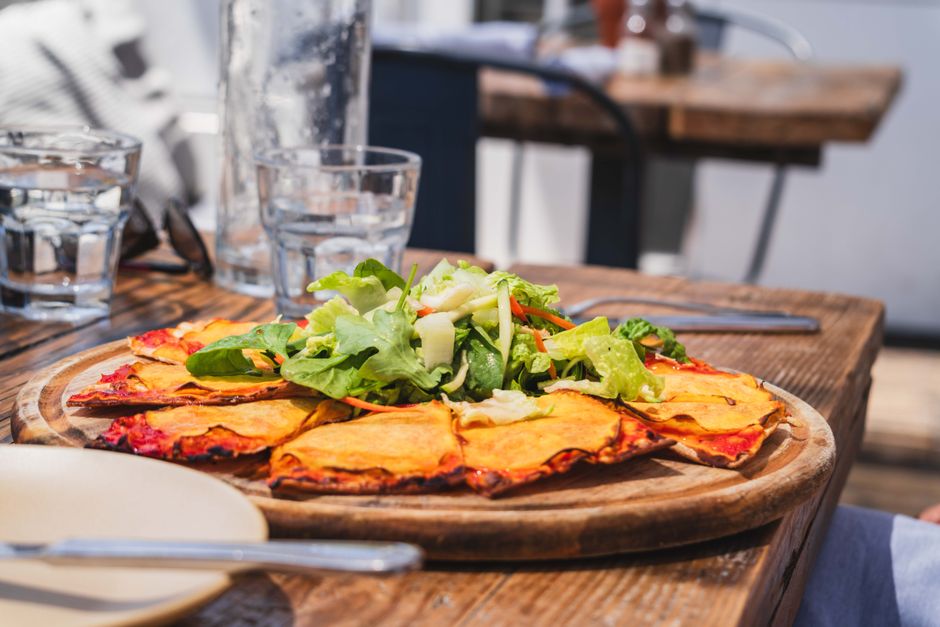
You need more than a suitcase. Here’s the gear that makes or breaks a foodie road trip.
A cooler bag with ice packs. You will find a cheese you want to bring home. A 20-liter cooler bag (like the Igloo 20-Can Cooler, around €25) fits in the trunk and keeps pecorino and salami fresh for hours. Without it, you’re leaving food behind.
A corkscrew and a small knife. Many agriturismi have basic kitchens. If you buy a bottle of Aglianico del Vulture from a vineyard, you want to open it that night in your room. Don’t rely on the host lending you tools — they’re often in use.
Google Maps offline maps. Cell service vanishes in the Apennine mountains. Download offline maps for your entire route before you leave. Also download a translation app like Google Translate with the Italian language pack. You’ll need it for menus written in local dialect.
Cash. Small towns in Marche and Molise do not accept cards at trattorias. ATMs exist but not everywhere. Carry €200 in small bills (€5, €10, €20) for meals and market purchases. You’ll burn through cash faster than you expect because a meal for two with wine often costs €40–€60.
Empty tupperware. Sounds odd. But when a bakery sells you a torciglione (anise-flavored cookie ring) and you can’t finish it, you’ll be glad to have a container for the car. Food waste is common on road trips. A reusable container fixes it.
The real key is flexibility. You might plan to eat at a specific osteria in Macerata, but if the owner says “today I have fresh porcini mushrooms,” change your order. The best meals on these trips are unplanned. Let the food guide you.