You’re staring at a map of the Grand Canyon loop, imagining your 3-year-old staring in awe at the rim. Reality check: your toddler just threw a pouch of applesauce at the back of your head. Is this trip worth the money, the planning, and the meltdowns?
Short answer: yes, but only if you do it right. A national park road trip with young kids in 2026 can be a fantastic family experience—or a $4,000 disaster. The difference is in the details. Here’s the straight truth.
The Real Cost of a National Park Road Trip in 2026
Let’s talk money first. A 10-day road trip hitting three parks (say, Grand Canyon, Zion, and Bryce Canyon) for a family of four will run you between $3,500 and $6,500 in 2026. Here’s the breakdown:
| Expense | Budget Option | Mid-Range |
|---|---|---|
| Lodging (10 nights) | $800 (camping) | $2,500 (motels/Airbnb) |
| Park entry fees | $80 (America the Beautiful Pass) | $80 (same pass) |
| Gas (2,000 miles) | $400 | $600 |
| Food | $600 (groceries + camp stove) | $1,200 (restaurants + snacks) |
| Activities/gear | $200 | $500 |
| Total | $2,080 | $4,880 |
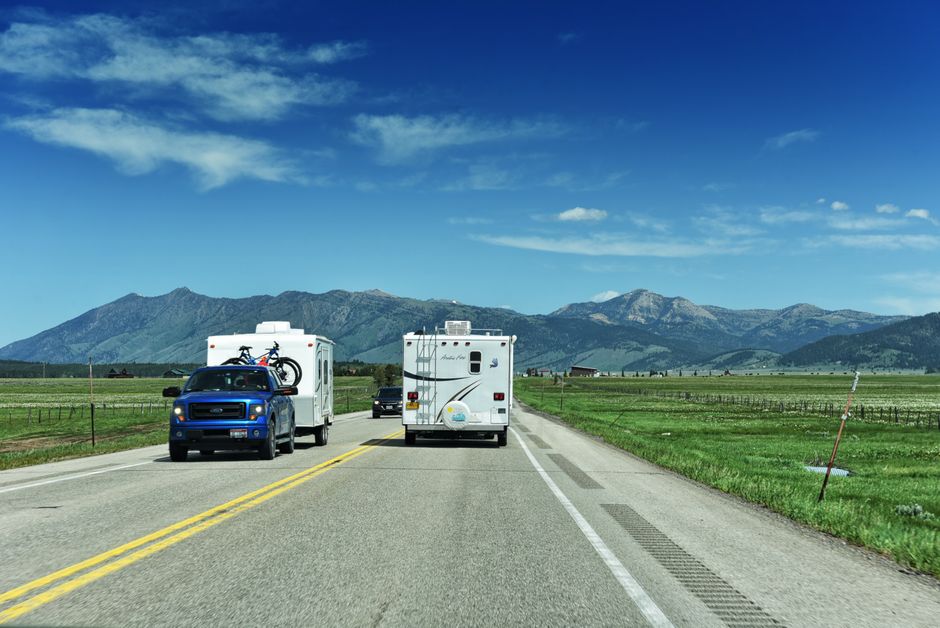
The biggest hidden cost? Gear you don’t own yet. If you need to buy a car seat that fits an airplane, a hiking backpack for a toddler, or a cooler that actually keeps ice for three days, add another $300–$700. Rent an RV from Cruise America and you’re looking at $1,500–$3,000 just for the vehicle.
Verdict: budget $3,000 minimum for a decent trip. If you can’t swing that, save for another year. Skimping on lodging with young kids is a recipe for misery.
Which Parks Actually Work for Toddlers and Preschoolers?
Not all national parks are kid-friendly. Some are death traps for toddlers. Here’s the honest list:
Great for young kids
- Great Smoky Mountains — Cades Cove loop is flat, has bathrooms everywhere, and you can see bears from the car. Junior Ranger program is excellent.
- Zion National Park — The Riverside Walk is paved and stroller-friendly. Shuttle system means no parking stress.
- Yellowstone — Geysers are on flat boardwalks. Kids love the predictable eruption of Old Faithful. Lots of pull-offs for quick exits.
- Mammoth Cave — Cool underground temperature, easy paved trails, and a Junior Ranger badge that’s actually fun.
Skip with kids under 6
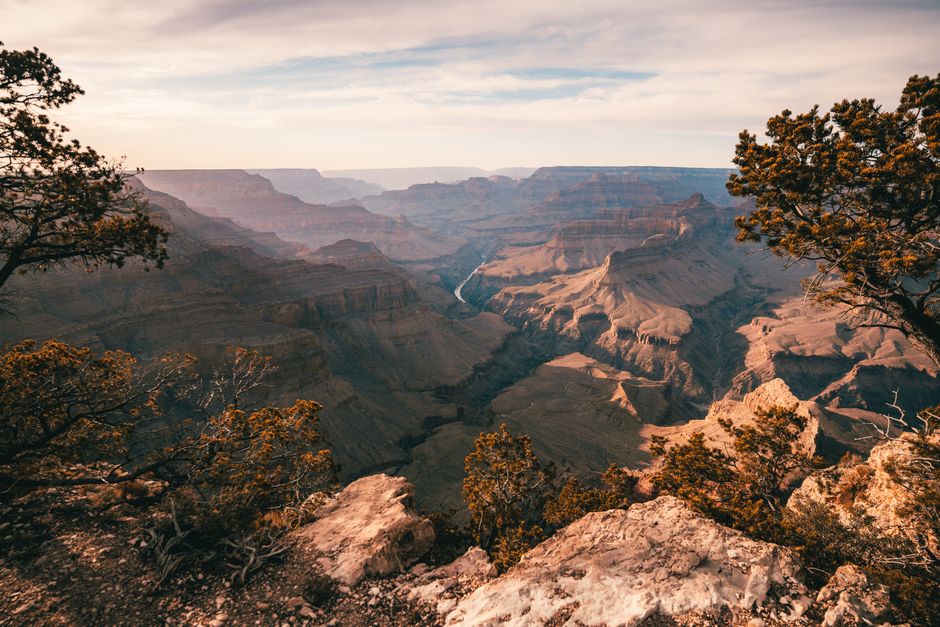
- Grand Canyon (South Rim) — Too many drop-offs. You’ll spend the whole trip holding a hand and stressing. Rim Trail is paved but narrow in spots. Wait until they’re 8+.
- Yosemite — Crowded, expensive lodging, and most iconic hikes are too hard for little legs. Vernal Fall trail is a slip hazard.
- Arches — Delicate Arch hike is 3 miles of exposed rock. Not happening with a 4-year-old.
My pick for 2026: Start with Great Smoky Mountains or Yellowstone. Both have low entry cost, lots of facilities, and short trails that actually feel like an adventure to a kid, not a death march.
The 3 Biggest Mistakes Parents Make (And How to Avoid Them)
I’ve seen families unload from a minivan at 2 PM in July at Grand Canyon with no water, no hats, and a screaming infant. Don’t be that family. Here are the three most common failures:
- Over-scheduling. You plan one hike, one ranger talk, one scenic drive per day. That’s already too much. With a 3-year-old, one major activity per day is the max. Plan for 2 hours of ‘doing stuff’ and 6 hours of ‘being outside near the car.’
- Ignoring nap schedules. Your kid naps from 1–3 PM. Don’t book a 2 PM ranger program. Drive during nap time. Let them sleep in the car while you cruise a scenic road. It’s the only way to keep everyone sane.
- No backup plan for weather. A thunderstorm at 10,000 feet is terrifying. Have a list of indoor activities: visitor centers, museums, lodges with fireplaces. In 2026, most major parks have decent indoor exhibits. Use them.
One more thing: don’t expect your kid to ‘appreciate nature.’ They won’t. They’ll care about the ice cream at the visitor center and the chipmunk they saw. That’s fine. The trip is for you as much as them.
Budget Hacks That Actually Work for Families in 2026
You can cut costs without ruining the trip. Here’s what works:
- Buy the America the Beautiful Pass ($80). Covers entry to all federal parks for a year. One trip to three parks pays for itself.
- Camp, but don’t rough it. KOA campgrounds have playgrounds, pools, and laundry. A cabin at a KOA costs $100–$150 a night, way less than a hotel. Book 6 months ahead for summer 2026.
- Cook your own meals. A Jetboil Flash ($80) and a bag of Mountain House freeze-dried meals ($8 each) save $30 a meal over park restaurants. Breakfast is oatmeal from a thermos. Lunch is PB&J. Dinner is hot and fast.
- Drive a fuel-efficient car. A Toyota RAV4 Hybrid gets 40 MPG. A Ford Expedition gets 18 MPG. Over 2,000 miles, that’s a $300 difference in gas. Rent a compact SUV if your car is a gas guzzler.
The one thing not to cheap out on: a good car seat. The Graco Extend2Fit ($200) is comfortable for long car rides and has a 50-pound weight limit. Skip the $50 seat from Target—your kid will hate it and so will you.
When a National Park Road Trip Is NOT Worth It
Let me be direct: this trip is a bad idea if any of these apply to you.
- Your kid is under 18 months. They don’t remember anything. The car seat is a nightmare. The sun exposure is risky. Wait until they’re at least 2.5.
- You have a kid who hates the car. If your 4-year-old screams after 30 minutes, a 6-hour drive to Yellowstone is not a vacation. It’s torture. Test a 2-hour drive first.
- You’re on a tight budget. A $2,000 trip that stresses you out about money is worse than no trip. Save for a year and do it right.
- You want a relaxing vacation. This isn’t that. It’s a trip. It’s work. The payoff is memories, not relaxation. If you need a beach with a swim-up bar, go to Cancun.
Instead of a national park road trip, consider a state park camping trip close to home. State parks cost $5–$20 per night, have shorter drives, and still give kids the outdoor experience. Do a weekend trial run before committing to a 10-day epic.
Packing List That Won’t Leave You Stranded
Forget the cute matching outfits. Pack for survival. Here’s the non-negotiable list for a family of four in 2026:
- Sun protection: Wide-brim hats for everyone. Sunscreen SPF 50+ (Neutrogena Ultra Sheer, $12). UV-protective clothing for kids (Coolibar or Columbia).
- Hydration: One 32-ounce Nalgene bottle per person. A 2-gallon collapsible water jug for camp. Electrolyte packets (DripDrop, $12 for 30).
- First aid: Band-aids, antiseptic wipes, children’s ibuprofen, Benadryl (for allergic reactions), blister pads. A small kit from Adventure Medical Kits ($25) covers it.
- Entertainment: A Kindle Fire Kids Edition ($100) loaded with movies for long drives. A deck of Uno cards. A magnifying glass for looking at bugs. That’s it. No toys that make noise.
- Clothing: Layers. A fleece jacket (Patagonia Better Sweater, $140) works for 40°F mornings and 70°F afternoons. Rain jackets for everyone (Columbia Watertight II, $60).
One pro tip: bring a roll of contractor-grade trash bags. They’re waterproof, can cover a stroller in a sudden storm, double as a makeshift poncho, and hold dirty clothes. Best $15 you’ll spend.
That’s the list. No fluff. If you pack this, you’ll survive. If you don’t, you’ll be buying $30 sunscreen at the park gift shop and regretting it.