About 40% of men buying belts online end up with the wrong length. A 30-inch waist is the most common size that gets mismatched — people grab a 30-inch belt and wonder why it barely reaches the first loop.
A belt marked 30 does not fit a 30-inch waist. Belts are measured from the buckle fold to the middle hole. That means a size 30 belt actually measures about 32 inches total, which leaves you with maybe 2 inches of tail. Too short.
Here is the rule: buy a belt 4 inches longer than your pant size. For a 30 waist, that means a 34-inch belt. If you prefer extra tail or wear thick layers, go up to 36 inches.
This guide covers exact sizing, what the numbers mean, common mistakes, and which brands actually measure honestly.
Why Belt Sizes Don’t Match Pant Sizes
Pant size is your waist circumference at the level you wear trousers. Belt size is the length from the buckle fold to the center hole — not the full length of the strap. That difference causes confusion.
Most belts have five holes spaced one inch apart. The middle hole is the labeled size. So a belt marked 34 measures 34 inches from buckle fold to that middle hole, and about 36 inches total end to end.
For a 30-inch waist, here is what that means in practice:
| Pant Size | Belt Size (Label) | Total Length | Tail Past First Loop |
|---|---|---|---|
| 30 | 32 | ~34 inches | ~1.5 inches |
| 30 | 34 (recommended) | ~36 inches | ~3.5 inches |
| 30 | 36 | ~38 inches | ~5.5 inches |
The 32-inch belt works if you like a short tail and never tuck in shirts. The 34-inch belt is the standard fit — enough tail to stay tucked, not so much that it wraps around your hip. The 36-inch belt is for heavy winter layers or if you prefer a longer drop.
Never buy a belt the same number as your pant size. That is the single most common mistake. A size 30 belt will leave you with the buckle at your navel and the strap barely reaching the first belt loop.
How to Measure Your Belt Size in 30 Seconds
You do not need a tape measure if you own a belt that fits well. Use this method:
Method 1: The Belt You Own
Lay your current belt flat on a table. Measure from the inside edge of the buckle to the hole you use most often. That number is your belt size. Round up to the nearest even number — belts come in even sizes (30, 32, 34, 36, etc.).
Method 2: Your Pant Size + 4
If you wear size 30 pants, add 4 inches. Buy a 34-inch belt. This works for 90% of people. Exceptions: if you wear pants very low on your hips, add 3 inches. If you wear suspenders with your belt, add 5 inches.
Method 3: Direct Waist Measurement
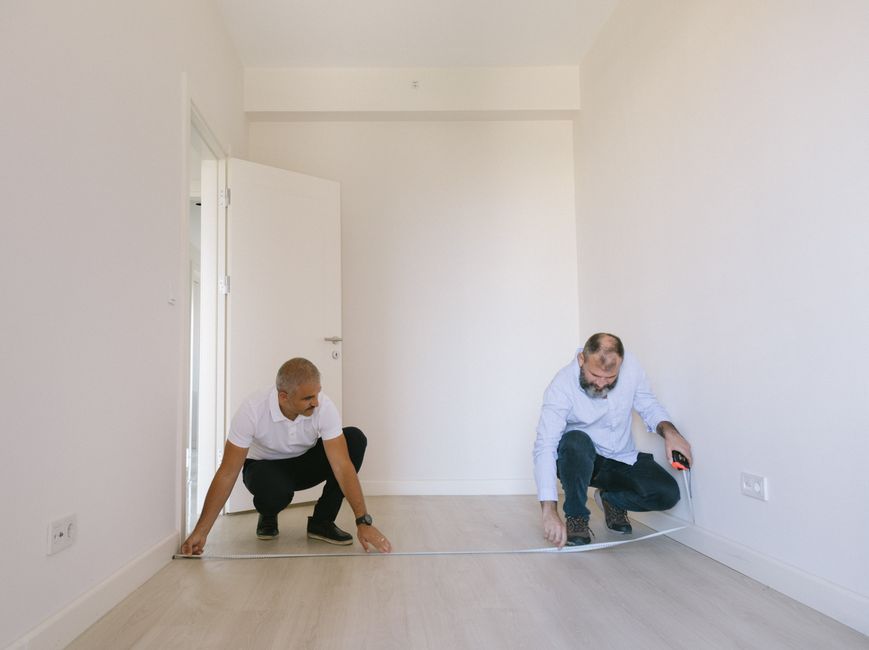
Wrap a soft tape measure around your waist at the point you wear your belt. Pull snug — not tight. Add 2 inches to that number. That is your belt size. For a 30-inch measured waist, buy a 32-inch belt. For a 32-inch measured waist, buy a 34-inch belt.
These three methods should give the same result within one size. If they disagree, trust the belt-you-own method first. It accounts for how you actually wear it.
Brands That Size Honestly vs. Brands That Lie
Not all brands measure belts the same way. Some use total strap length. Some use hole-to-fold. Some just stamp random numbers. Here is what to expect from common brands.
Levi’s belts run true to hole-to-fold measurement. A Levi’s size 34 fits a 34-inch waist perfectly. If you wear size 30 pants, buy a Levi’s size 32 belt — it will fit snugly on the middle hole.
Dickies belts run about one inch large. Their size 34 measures closer to 35 inches at the middle hole. For a 30 waist, a Dickies size 32 belt fits well. Size 34 leaves a very long tail.
Carhartt belts are the opposite — they run small. A Carhartt size 34 measures about 33 inches at the middle hole. For a 30 waist, buy a Carhartt size 34. Do not size down.
Nike and Under Armour athletic belts use stretch materials. Their sizing is looser. A size Medium (fits 32-34) works for a 30 waist. Size Small (fits 28-30) fits but leaves almost no tail.
Timberland belts are consistent with Levi’s — buy your pant size plus 2 inches. For a 30 waist, a Timberland size 32 belt fits on the middle hole.
Always check the product description. Look for the phrase “measured from buckle fold to middle hole.” If the listing only shows total length, subtract 2 inches to get the effective belt size.
Three Mistakes That Ruin a Belt Purchase
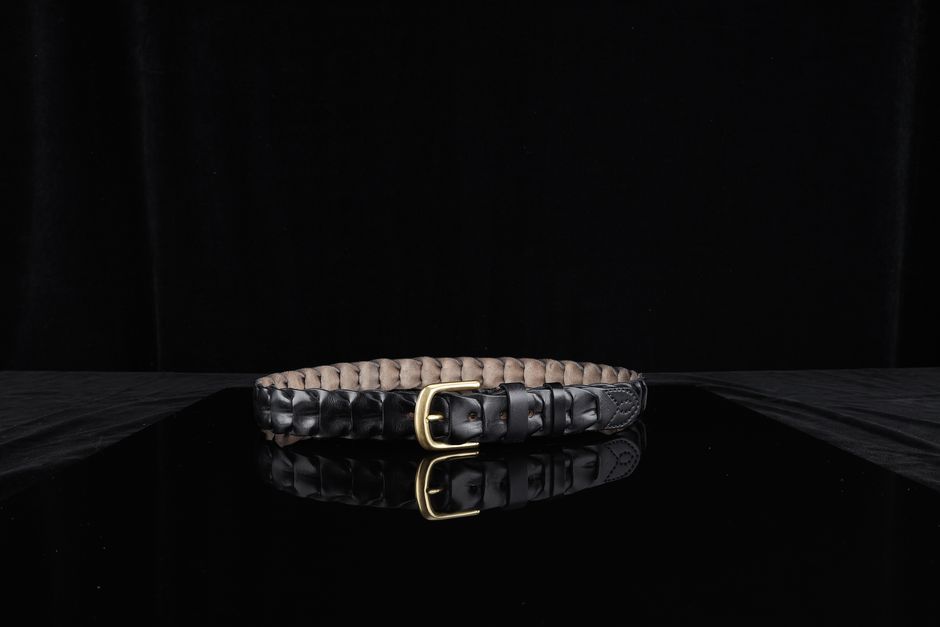
These errors are so common that belt return rates hover around 25% for online orders. Avoid them.
Mistake 1: Buying by Pant Size
Already covered, but worth repeating. A size 30 belt is not for a size 30 waist. You will end up with a belt that barely functions. Return shipping costs more than the belt is worth.
Mistake 2: Ignoring Belt Width
Belt length is only half the equation. Width matters for belt loops. Dress pants take 1 to 1.25 inch wide belts. Jeans take 1.5 inch wide belts. Casual work pants take 1.5 to 1.75 inch wide belts. A 1.5 inch belt will not fit through dress pant loops. A 1 inch belt looks ridiculous with jeans.
For a 30 waist, standard proportions work: 1.25 inches for dress, 1.5 inches for casual and jeans. Anything wider than 1.75 inches looks bulky on a lean frame.
Mistake 3: Not Accounting for Belt Thickness
Thick leather belts (4-5mm) take up more room in the loops and effectively shorten the usable length. A thick belt marked 34 might fit like a 33. Thin woven belts (2mm) run long. If you switch between leather and fabric belts, you may need different sizes for each.
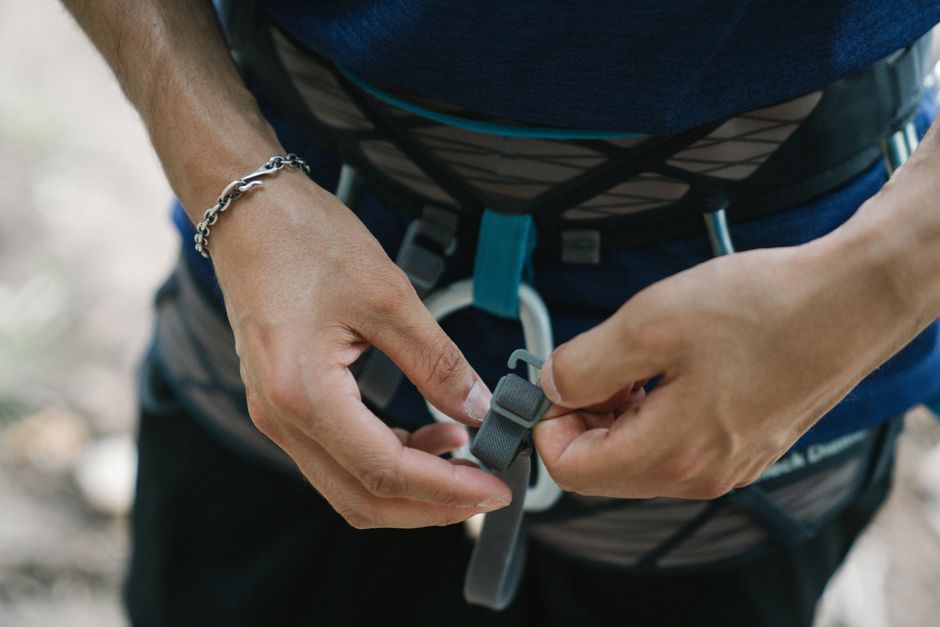
Test this: put your belt on and check the tail. It should reach past your first belt loop by at least 2 inches but not wrap past your second loop. If it barely clears the first loop, the belt is too short. If it reaches past the third loop, it is too long.
When a 34-Inch Belt Is Wrong for a 30 Waist
The 4-inch rule works for most people. But some situations call for a different size.
You wear your pants low on your hips. If your waist measurement is 30 but you wear pants at your hip (say 34 inches), add 3 inches to your pant size. A 33-inch belt might fit better than a 34. Try a 32 if you want a short tail.
You prefer a very long tail. Some people like 6+ inches of belt hanging past the buckle. If that is you, buy a 36-inch belt for a 30 waist. Just know it will look casual, not polished.
You are buying a reversible belt. Reversible belts are thicker and the buckle mechanism takes up space. Size up by 1 inch from your normal belt size. For a 30 waist, buy a 35-inch reversible belt if available, or a 36.
You plan to wear the belt with a suit. Dress belts should have a shorter tail — about 2-3 inches past the buckle. Buy a 32-inch belt for a 30 waist if you want a clean, tailored look. The tail will just barely overlap the first loop.
You have lost or gained weight recently. Buy a belt that fits your current waist, not your goal waist. A belt too big now will look sloppy. A belt too small will dig in. Adjustable belts from brands like Grip6 or SlideBelts solve this — they have no holes and adjust in 1/4 inch increments.
Belt Material and Construction: What Changes Fit
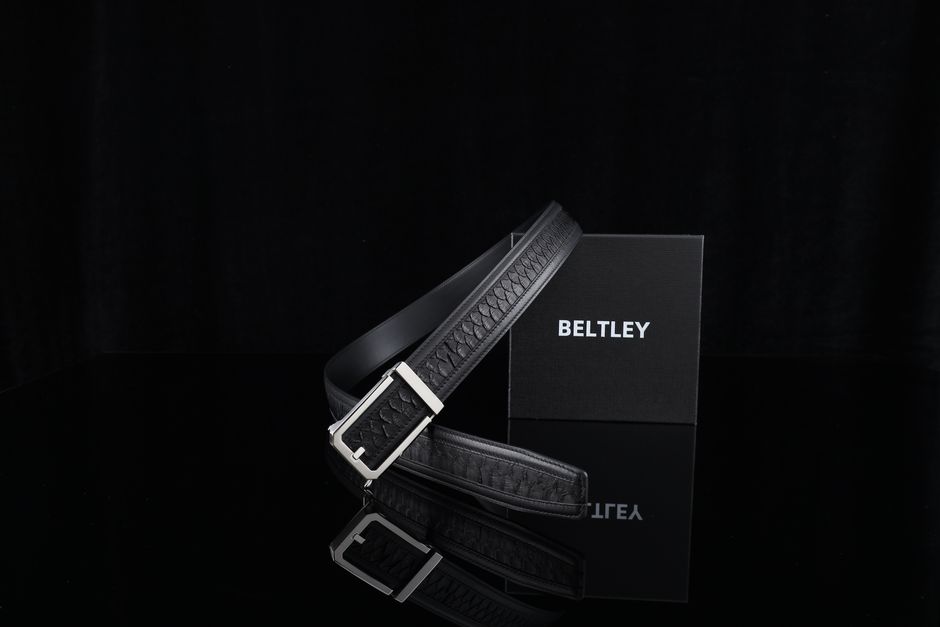
Length is not the only variable. Material and construction affect how a belt wears over time.
Full-grain leather stretches about 1/2 inch over the first month of daily wear. Buy a belt that fits snugly on the second hole when new. It will stretch to the middle hole within weeks. A belt that fits perfectly on the middle hole new will be loose after a month.
Top-grain and bonded leather stretch less — maybe 1/4 inch. Buy these to fit on the middle hole from day one. They do not break in much.
Woven fabric belts (braided cotton, nylon, polyester) do not stretch. They can shrink slightly if washed. Buy these to fit on the loosest hole when new. You will likely need to tighten one hole after a few wears as the weave settles.
Canvas and webbing belts (like Arcade or Goruck) are static. Buy them to fit on the middle hole. They will not change size.
Stretch belts (elastic or bungee style from Nike or Outdoor Research) are designed to flex. Buy one size smaller than your pant size. A size 28-30 stretch belt fits a 30 waist with some give. The stretch allows for bloating or layering.
For a 30 waist, a full-grain leather belt in size 34 is the best long-term investment. It will stretch slightly, mold to your shape, and last 5-10 years. A woven belt in size 34 is the best travel option — it packs flat and never needs breaking in.
The Best Belt Length for a 30 Waist: Final Verdict
Buy a 34-inch belt. That is the answer for 90% of people with a 30-inch waist. It gives you 3-4 inches of tail past the buckle, fits through standard belt loops, and works with jeans, chinos, and casual trousers.
If you wear dress pants exclusively, buy a 32-inch belt for a cleaner look. If you wear thick work pants or layer heavy coats, buy a 36-inch belt. If you travel light and want one belt for everything, buy a 34-inch leather belt from Levi’s or Timberland — reliable sizing, no surprises.
Measure your current belt. Check the brand’s sizing guide. Add 4 inches to your pant size. You will get it right the first time.