The misconception is that buying a Levi’s denim jacket is simple — just pick your size and move on. It’s not. There are five meaningfully different jacket models in Levi’s current lineup, and they fit so differently that a size Medium in one model is basically unwearable in another. Most online returns happen because the buyer grabbed whichever jacket showed up first in search results without knowing which cut they were actually ordering.
Once you understand the model differences, the wash question, and where Levi’s sizing goes wrong, this becomes a very easy purchase. Here’s what I’ve learned from buying three of these jackets across the past decade.
The Five Levi’s Jacket Models: What You’re Actually Choosing Between
Levi’s doesn’t make it easy to compare these side by side. Here’s the full lineup with the information that actually matters:
| Model | Model # | Fit | Best Use Case | Retail Price |
|---|---|---|---|---|
| Original Trucker | 70506 | Classic boxy, wide chest | Vintage look, layering over hoodies | $80–$100 |
| Slim Trucker | 72334 | Slim, slight waist taper | Modern silhouette, over shirts | $80–$100 |
| Sherpa Trucker | Various | Classic fit + sherpa lining | Cold weather, transitional seasons | $120–$140 |
| Relaxed Fit Trucker | Various | Loose, oversized | Streetwear, thick underlayers | $80–$100 |
| Type III (Vintage-Inspired) | 57816 | Short body, boxy shoulders | Purists, authentic retro look | $100–$120 |
The Original Trucker (70506) is the archetypal version — Western yoke stitching, two chest pockets, a boxy chest, and wide shoulders. This is what people picture when they say “Levi’s jacket.” It runs large. Most people need to size down once from their normal size.
The Slim Trucker (72334) is the modern cut. Shoulders sit closer, there’s a slight taper at the waist, and the overall silhouette is cleaner and more current. This is the right choice for anyone who wants to wear the jacket primarily over shirts or thin knitwear. Size up one if you plan to layer a sweater underneath. Size up two for a hoodie — though at that point the jacket looks enormous when worn without a layer.
Why the Sherpa Version Is Underrated
The Sherpa Trucker gets written off as too casual, but it’s one of the most functional travel layers Levi’s makes. The sherpa lining adds warmth equivalent to a light packable vest, without adding much bulk. It retails at $120–$140 but regularly appears at Nordstrom Rack and TJ Maxx for $65–$85. If you live somewhere with cold mornings and warm afternoons, the Sherpa version is worth the extra $30 over the standard cut.
The Type III: Only Buy This If You Know Why
The Type III has a shorter body and boxier shoulders than even the Original Trucker. It’s designed to look like the original 1962 version. That’s a deliberate aesthetic choice — and a great one if you’re building a vintage-inspired outfit. But if you just want a Levi’s jacket that looks good on a normal modern frame, this is not the default pick. The short body creates an unflattering proportion on anyone over about 5’10”.
The Wash Decides Whether This Jacket Works in Your Wardrobe
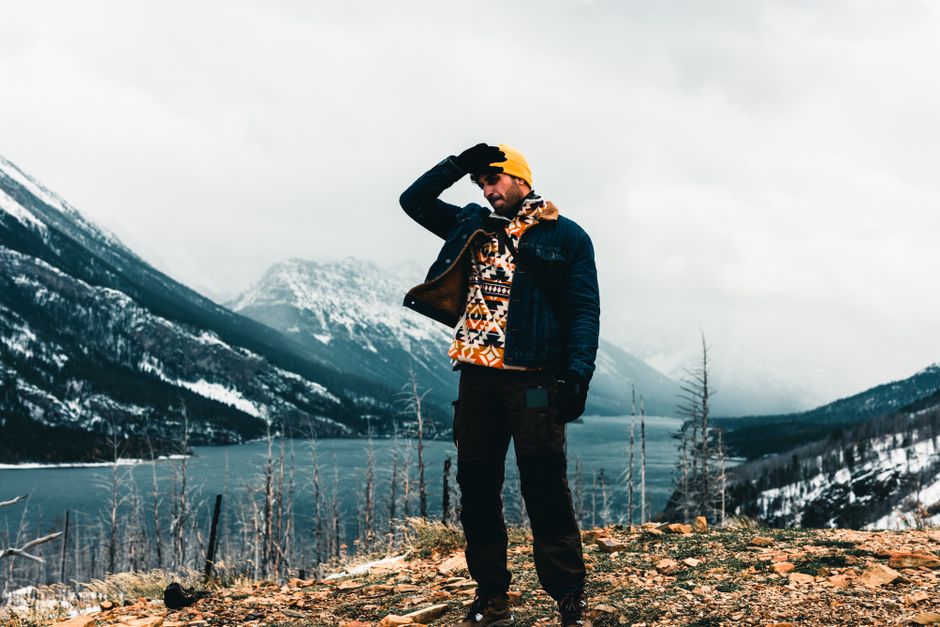
Most buyers spend all their attention on the model and almost none on the wash. That’s backwards. The model determines fit. The wash determines whether the jacket actually works with what you already own — and whether it still looks good three years from now.
Levi’s offers eight to twelve wash options at any given time, and the product photography online is almost useless. The same jacket genuinely looks three to four shades different depending on the screen you’re viewing it on. I’ve ordered twice expecting one shade and received another. Here’s how to think about it by category rather than by specific name.
Mid-Wash Blue: The Default That Actually Earns Its Reputation
A true mid-wash blue — Levi’s sometimes calls this “medium indigo,” “barstow,” or “mid stonewash” — is the most versatile finish. It reads unambiguously as denim without looking pale and washed-out or stiff and workwear-dark. It pairs with black jeans, grey chinos, olive trousers, and shorts. It ages gracefully because the contrast between faded and unfaded areas develops slowly and evenly.
The Barstow colorway specifically has slight contrast stitching that looks better after a year of wear than it does out of the box. If you’re buying one Levi’s jacket and want zero regret about the color, this is it.
Dark Wash: More Formal, Ages Worse
Dark indigo reads as slightly dressier. With non-denim bottoms — chinos, cord, casual trousers — it works very well. The problem is that dark denim fades unevenly under regular washing, and the contrast between faded collar edges and the still-dark body becomes obvious after six months. If you buy dark wash, wash inside-out in cold water and air dry. Never put a dark denim jacket in a warm dryer.
Wearing dark wash with dark jeans also creates the accidental denim suit effect unless you’re extremely careful about shade matching. Most people aren’t. If you want to wear denim on denim, mid-wash is more forgiving.
Light Stonewash: High Risk, Gets the Sizing Wrong and It Shows
Light stonewash is the most distinctly retro option — 80s and 90s in the best and worst ways simultaneously. Paired correctly with tapered dark jeans and white sneakers, it looks considered and intentional. Paired with anything baggy or oversized, it reads as an accidental throwback. This wash is less forgiving of fit errors than any other. A slightly large Original Trucker in mid-wash reads as “relaxed fit.” The same jacket in light stonewash reads as “wrong size.” Only buy this if the fit is exactly right.
Black Denim: The Most Underappreciated Option
The black Slim Trucker is one of the most useful pieces Levi’s currently makes. Black denim pairs with more outfits than any blue wash, works in slightly dressier casual settings, and photographs better in most lighting. The downside is that black denim fades toward grey-green at the collar and cuffs over time. The fix is the same as dark wash: cold wash, inside-out, hang dry. If you do that consistently, the fade is minimal and actually looks good rather than degraded.
Where Buyers Go Wrong on Sizing
Levi’s jacket sizing produces more returns than almost any other clothing category at major retailers. The issues are consistent and predictable:
- The Original Trucker runs at least one full size large. If you wear a Medium everywhere else, start with a Small. The boxy cut carries substantial extra volume through the chest and shoulders that the tag doesn’t reflect.
- The Slim Trucker runs true to size only when layering minimally. Your normal size works over a t-shirt or thin shirt. Over a light sweater, size up once. Over a hoodie, size up twice — but recognize the jacket will look oversized when worn without that layer.
- Sleeve length is the biggest source of regret for tall buyers. Levi’s jacket sleeves run short on frames over 6’1″. The standard cut will show too much wrist. Levi’s doesn’t offer a consistent tall cut in jackets, which is a real gap. Taller buyers should check third-party measurements before ordering.
- Use the chest button as a fit indicator. With nothing underneath, there should be slight fabric pull across the chest when buttoned. No pull at all means you can likely size down. Straining at the button means size up.
- Don’t buy for your heaviest underlayer. A jacket sized for a thick hoodie looks shapeless on its own, and you’ll wear it without the hoodie 80% of the time. Buy for how you’ll wear it most often.
The most preventable mistake is buying without confirming the model number. Searching “Levi’s denim jacket” returns all five models mixed together. The Original Trucker and Slim Trucker at the same listed size are completely different garments. Check the model number before adding to cart.
The Verdict
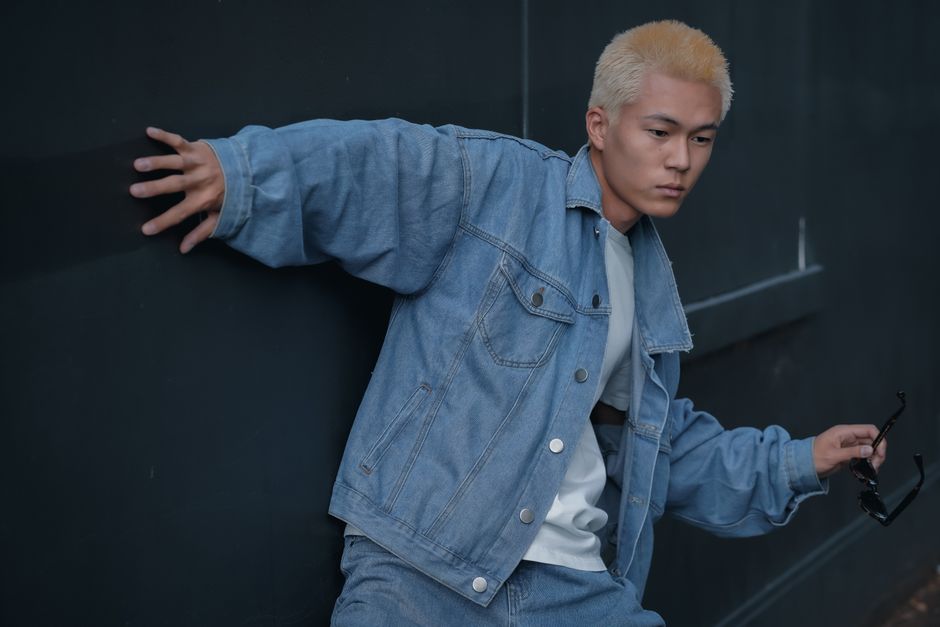
Buy the Slim Trucker (72334) in mid-wash blue or black. It’s the most versatile cut in Levi’s current lineup, it ages well in both washes, and it works for more body types than the boxy Original Trucker. If cold weather is a factor, spend the extra $30–$40 on the Sherpa Trucker instead — the lining makes a significant real-world difference and the jacket regularly goes on sale.
The Original Trucker is the right choice only if you specifically want the classic, slightly-vintage silhouette. That’s a legitimate preference. It’s just not the answer for everyone who searches “best Levi’s denim jacket.”
When to Skip Levi’s Entirely

Levi’s makes a solid jacket at a fair price. But it’s the wrong buy in three specific situations.
You Need Real Warmth — Buy Something Designed for It
An unlined denim jacket is not a cold-weather garment. Below about 10°C (50°F), you will be cold in a standard Levi’s trucker. The Sherpa version helps, but if you’re in a genuinely cold climate and want denim, look at Nudie Jeans denim jackets (~$250), which use heavier denim construction and feel substantially warmer. Alternatively, layer the Levi’s over a packable down vest — that combination beats any lined denim jacket for versatility.
You Have Broader Shoulders and a Narrower Waist — Try Lee
The Lee Rider Jacket ($60–$80) fits better across the shoulders and through the waist for certain body proportions than either Levi’s trucker cut. It also sits slightly lower in the back, which solves the “gap at the rear waistband” issue that affects taller people in Levi’s jackets. Lee doesn’t have the brand recognition of Levi’s, but on the right body type it’s a noticeably better fit at a lower price.
If you’re willing to spend $200 or more, AG Jeans denim jackets are a genuine step up in fabric weight, construction quality, and fit precision. The denim is heavier, the stitching is tighter, and the cut is designed for an adult proportioned body rather than optimized for mass production. The price difference is real. So is the quality difference.
You Want It to Last 20 Years — Buy Vintage
Vintage Levi’s jackets from the 1970s through the 1990s are built better than anything in the current production line. The denim is heavier, the hardware is solid metal rather than plastic, and the seam construction is tighter. A Type III trucker from the 1980s — identifiable by the red tab and orange bar-tack stitching — found at a thrift store or on eBay for $40–$80 will outlast any $100 new jacket Levi’s currently sells. The fit on older models also runs differently, often with more room in the shoulders and a shorter body that looks better on shorter frames.
At the premium end, brands like Iron Heart make Japanese-produced, heavy-weight denim jackets ($400–$600) that are genuinely built to last decades. That’s a different product category entirely — but the gap between mass-market and craft denim construction is wider now than at any point in the past thirty years, and it’s slowly pushing more mid-tier brands into the space between a $100 Levi’s and a $500 Iron Heart. That middle tier is where the most interesting denim is being made right now.